Makeup · Face Makeup
Cushion Foundation
The format Korea invented and still dominates. The tooling, sponge technology and refill systems all originate here, which makes a cushion the most recognizably Korean product a colour brand can launch.
Production terms are confirmed directly with the matched manufacturer.
Available directions
Formulation directions this product type can be developed in. Pick one during your request, or ask us to advise during matching.
Mesh cushion
Net-type delivery giving a lighter, more controlled dose than a sponge.
Hydrating
Dewy finish for dry skin, the most popular Korean direction.
High-cover
Higher pigment load for blemish and redness coverage.
Matte
Sebum-absorbing finish for oily skin and humid markets.
Cream cushion
Thicker emulsion for a fuller, more traditional foundation feel.
SPF option
Adds daily protection, which triggers OTC rules in the US.
Key ingredient options
Niacinamide
The standard skincare active in Korean cushions, giving brightening under coverage.
Hyaluronic acid
Keeps the base from settling into fine lines through a full day.
Adenosine
Adds a functional wrinkle-care claim, common in premium cushion positioning.
What makes it work
- Korea invented the cushion and still dominates the tooling, sponge technology and formulation.
- Compact tooling raises lead time compared with a tube foundation, so plan volumes early.
- Refill systems are standard in Korea and support sustainability positioning and repeat purchase.
- Shade development runs in-house at Korean color factories. Colour products are quoted per shade, so shade count drives total production volume more than in skincare.
Texture & format
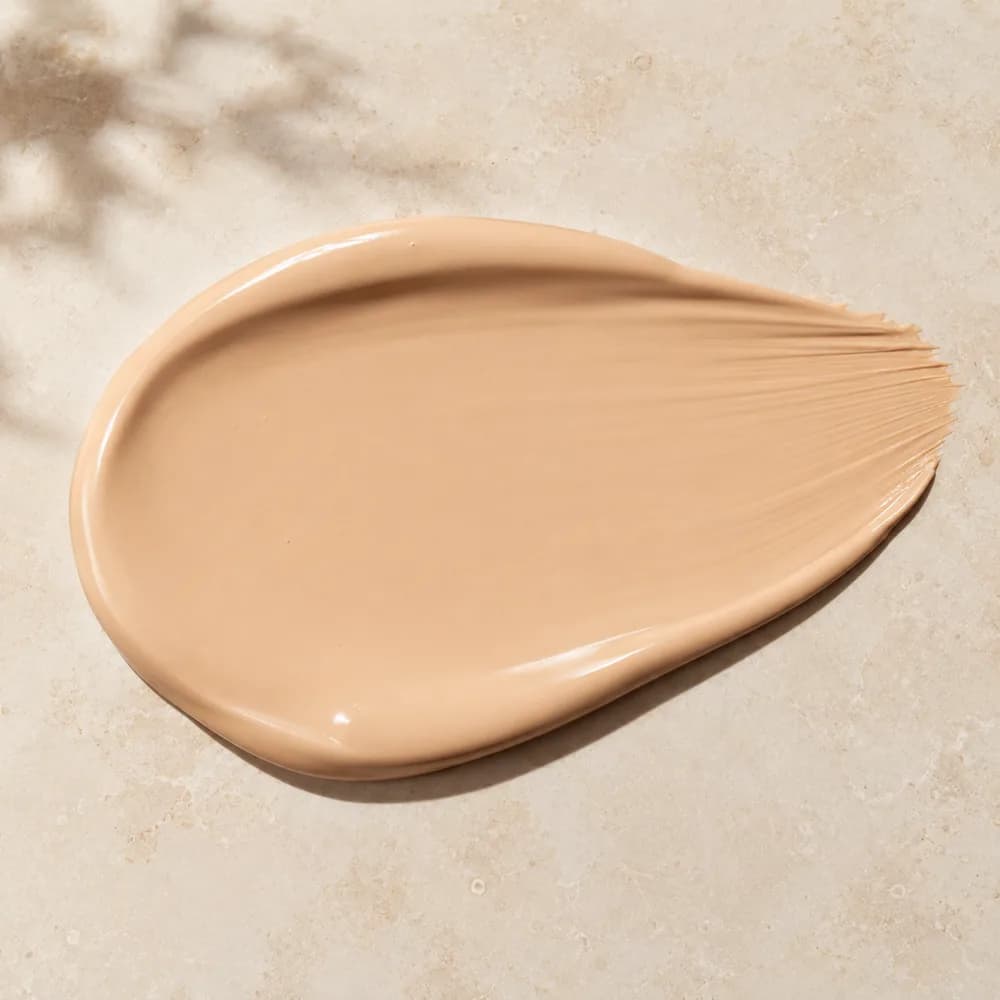
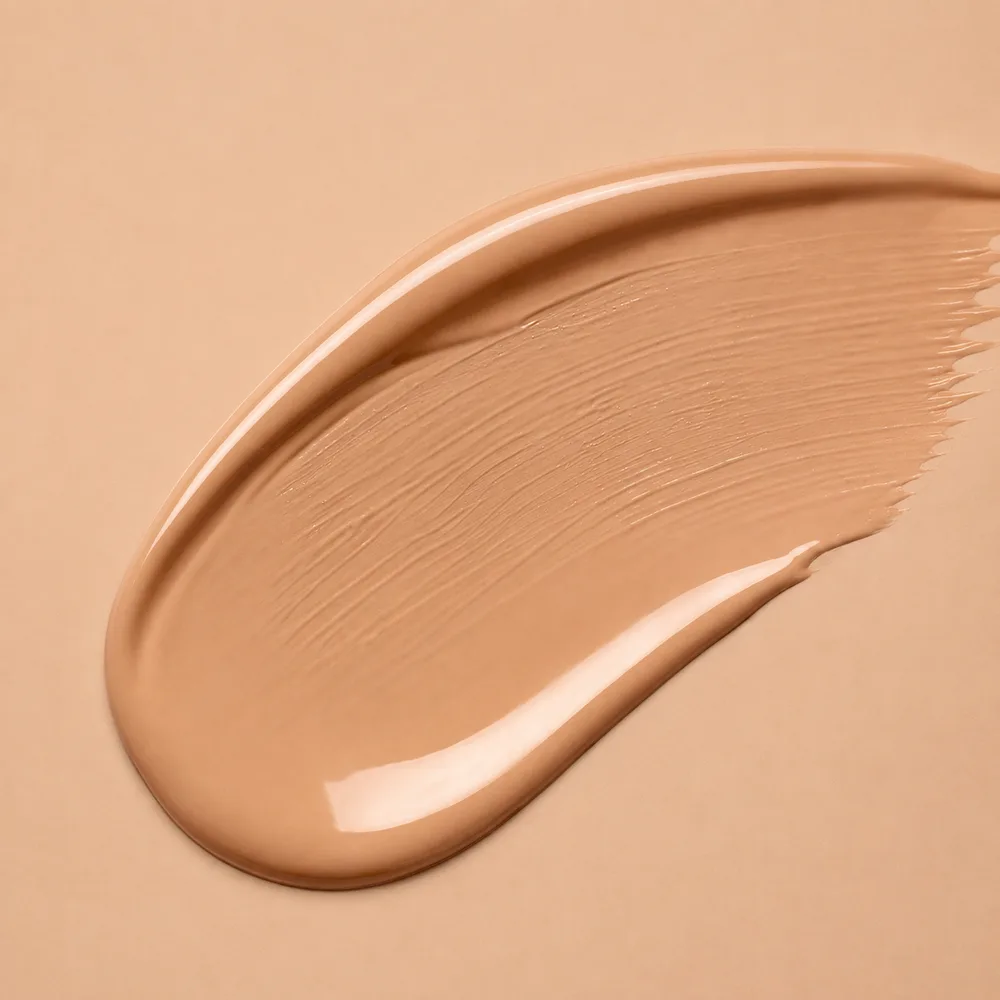
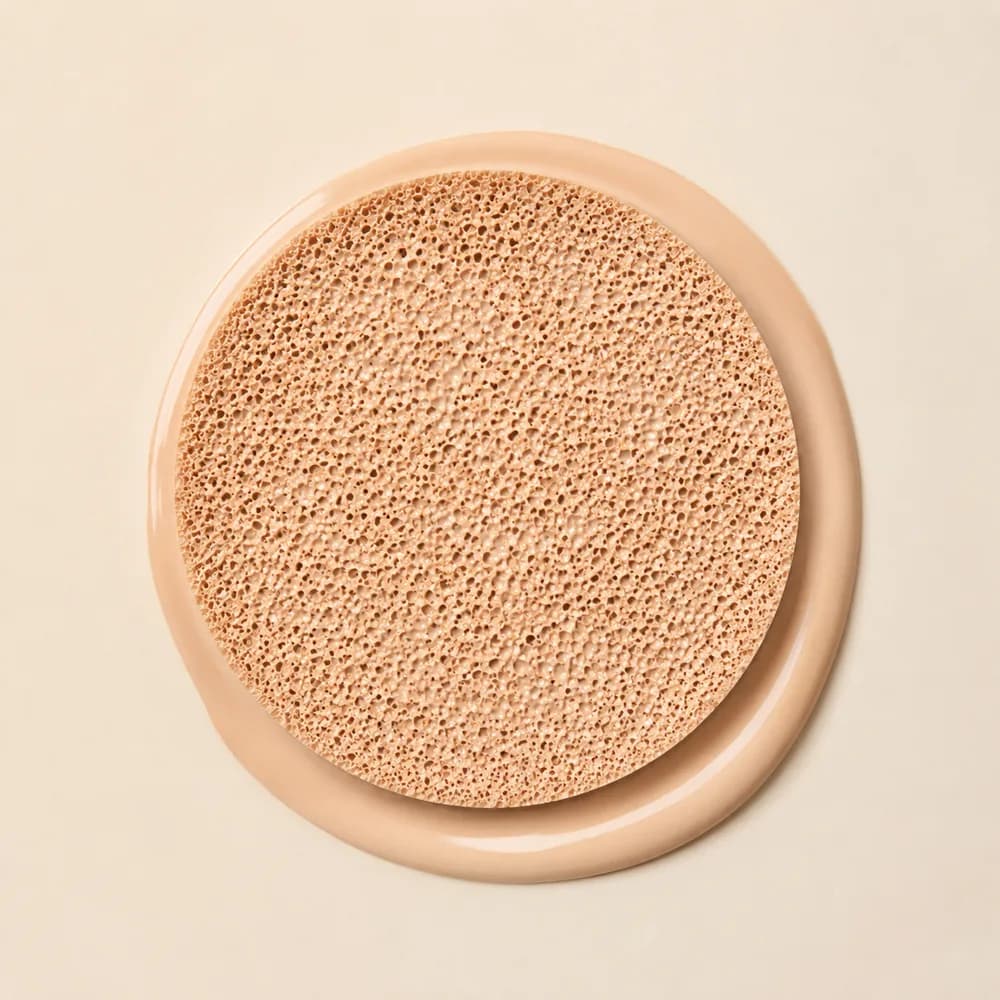
Liquid foundation held in a sponge or mesh inside a compact, applied with a puff and refillable.
Frequently asked
How many shades should a first cushion launch carry?
Two to four is typical. Each shade is a separate filling run with its own component stock, so shade count is the main driver of complexity in a first launch. Most brands start narrow and extend the range once sell-through data is in.
What is the difference between a mesh and a sponge cushion?
A sponge holds the formula in an open-cell foam, while a mesh uses a net layer that meters the dose as the puff presses through it. Mesh gives a lighter, more controlled application and suits thinner, dewier formulas. Sponge suits fuller-coverage and cream cushions.