
Korean Toner OEM Manufacturer: Private Label Toners Made in Korea
Korean toners reshaped the skincare routine globally: hydrating, pH-balancing, and essence-toner hybrids with actives that rival serums. Source from Korean OEM manufacturers.
Submit Your Sourcing Request
What is Korean Toner OEM Manufacturing?
Korean toners are fundamentally different from the astringent toners that dominated Western skincare for decades. Instead of alcohol-based tightening formulas, Korean toners are hydrating, barrier-supporting, and often loaded with actives, closer to a lightweight essence than a traditional toner. This reframing is one of K-beauty's most influential global contributions.
In Korean manufacturing, OEM means you supply the formula and the factory produces it; ODM means the factory develops the formula collaboratively, usually starting from an existing proprietary base. Both models are widely available at Korean toner manufacturers.
The strongest Korean toner categories for private label are: hydrating toners (hyaluronic acid, beta-glucan, ceramides), essence-toner hybrids (high active load, serum-level performance in a toner format), exfoliating toners (PHA, BHA, AHA; gentler than Western counterparts), and pH-balancing first-step toners (prep the skin for subsequent routine steps). Korean manufacturers have developed refined production lines for each format.
Why Source This Product from Korea
- 1
Essence-Toner Hybrid Expertise
Korean manufacturers pioneered the essence-toner hybrid: a toner with active concentrations approaching serum levels. This format has reshaped global skincare routines and is a core Korean formulation specialty. Korean OEM factories have the viscosity and stability expertise to produce these hybrids at scale.
- 2
Gentle Exfoliation Formulation
PHA (polyhydroxy acid) and low-concentration BHA/AHA exfoliating toners are a Korean strength. Korean formulators balance exfoliating actives with barrier-supporting ingredients (centella, panthenol, ceramides), producing daily-use exfoliating toners that outperform the harsher Western equivalents.
- 3
Low-MOQ and Format Flexibility
Toner MOQs at mid-size Korean factories typically start at 3,000 units per SKU for private label. Custom ODM formulation starts at 3,000–5,000 units per SKU, with stability testing as an extra step on top of the standard 8–12 week lead time.
Toner types we source
A snapshot of the product types Korean manufacturers in our network produce in this category. Submit an RFQ for any of them, or describe your own.
- 01
Hydrating Toner
Humectant-rich toners for the first hydration step.
- 02
Exfoliating Toner
AHA, BHA, and PHA toners for gentle resurfacing.
- 03
Essence-Toner Hybrid
Concentrated treatment toners that blur the toner-essence line.
- 04
First-Treatment Toner
Ferment-based softeners for prep and absorption.
- 05
Toner Pad
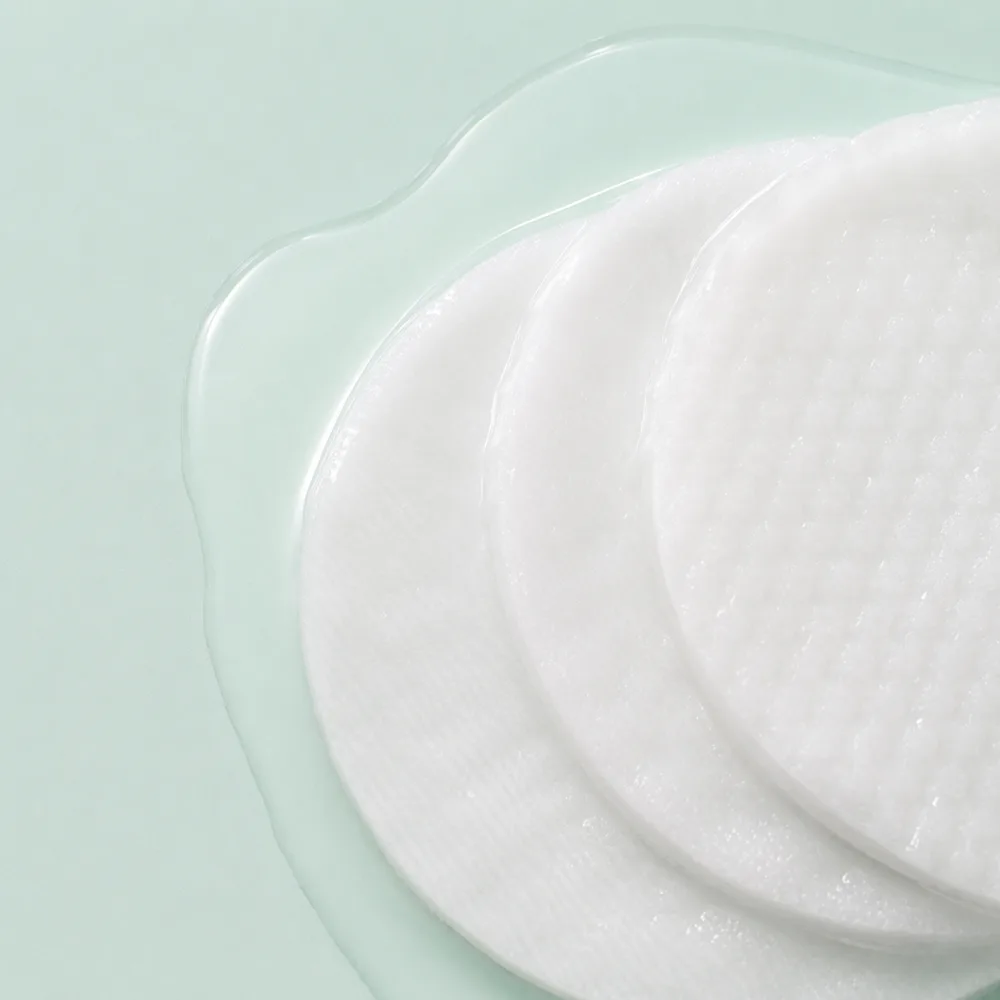
Pre-soaked dual-texture pads for swipe-on treatment.
Toner formulation directions
The 8 directions Korean manufacturers in our network build toner products around. Pick one to see what it is, then request it or open the full formulation page.
AHA/BHA/PHA exfoliating
Triple-acid system balanced for daily use. AHA on the surface, BHA inside the pore, PHA for tolerance.
Typical Specifications & Ranges
- MOQ Range
- 3,000 units per SKU (private label); 3,000–5,000 units per SKU (custom ODM)
- Lead Time
- 8–12 weeks
- Certifications
- ISO 22716 / CGMP; FDA facility registration (MoCRA), EU CPNP support; vegan, cruelty-free available
- Popular Subcategories
- Hydrating, essence-toner hybrid, exfoliating (PHA/BHA/AHA), first-step, balancing
- Packaging
- Glass or PET bottle, pump bottle, mist spray, airless pump
The Korean Toner Manufacturing Advantage
Korean toner manufacturing is shaped by a consumer market that expects toners to actively deliver skincare benefits, not just prep the skin. That expectation has driven decades of formulation investment in actives stability at low viscosities, preservation systems for high-water-content products, and lightweight texture engineering. Korean OEM factories are the reference standard for private label toners globally.
- Active stability expertise for high-water-content formulas
- Mature supply chain for Korean specialty actives (centella, green tea, propolis, rice, heartleaf)
- Low-pH and exfoliating formulation experience
- Export-ready documentation for US, EU, UK, Australia
- Vegan, cruelty-free, and clean-beauty certifications available
Our Network
Verified Korean Toner Manufacturers
All MFDS-registered, certified, and with verified export experience. Submit an RFQ to get matched with the right ones for your project.
Get Matched with ManufacturersFormulations we develop in this category
Each product type below lists the formulation directions available through our Korean manufacturer network, with packaging options and typical requirements.
Browse Related Categories
Frequently Asked Questions
What's the difference between a toner and an essence?
The distinction has blurred in K-beauty. Traditionally, a toner is the first hydration step applied after cleansing, while an essence is a more concentrated active treatment applied after toner. Modern Korean essence-toner hybrids combine both functions in a single product: toner-like viscosity and application, with essence-level active concentrations. For OEM buyers, the classification matters mostly for marketing and price positioning; the production line and formulation approach overlap heavily.
Can I produce exfoliating toners with AHA/BHA in Korea?
Yes. Korean manufacturers produce exfoliating toners at a wide range of acid concentrations. Glycolic acid, lactic acid, mandelic acid (AHAs), salicylic acid (BHA), and gluconolactone (PHA) are all standard. Concentrations above certain thresholds trigger regulatory requirements in the US and EU (UV warning for AHA, prominent labeling for high-concentration salicylic acid). Korean factories familiar with export markets will advise on compliant concentrations and labeling.
How does toner MOQ compare to other skincare formats?
Toner MOQs are among the most accessible of any skincare format because the production process is straightforward and the packaging options are standardized. Private label toner runs start from 3,000 units per SKU on existing base formulas, the same entry point as creams, serums, or cleansers. This makes toners a common entry point for brands launching their first Korean OEM product.
Do I need stability testing for a toner formulation?
Yes, regardless of format. All cosmetic products require stability testing to confirm the formula maintains its properties (color, texture, viscosity, active potency, microbial control) over the claimed shelf life. Korean OEM manufacturers conduct in-house stability testing as part of the custom formulation process, an extra step on top of the standard 8–12 week timeline. For existing base formulas, stability data is already on file and provided as part of the production package.
Ready to source from Korean toner manufacturers?
Submit your RFQ and get matched with verified manufacturers.
Submit Your Sourcing Request