
Korean Cleanser OEM Manufacturer: Private Label Cleansers Made in Korea
Korea's double-cleanse ritual drives global demand for oils, foams, balms, and micellar waters. Source from Korean OEM manufacturers with mature export infrastructure.
Submit Your Sourcing Request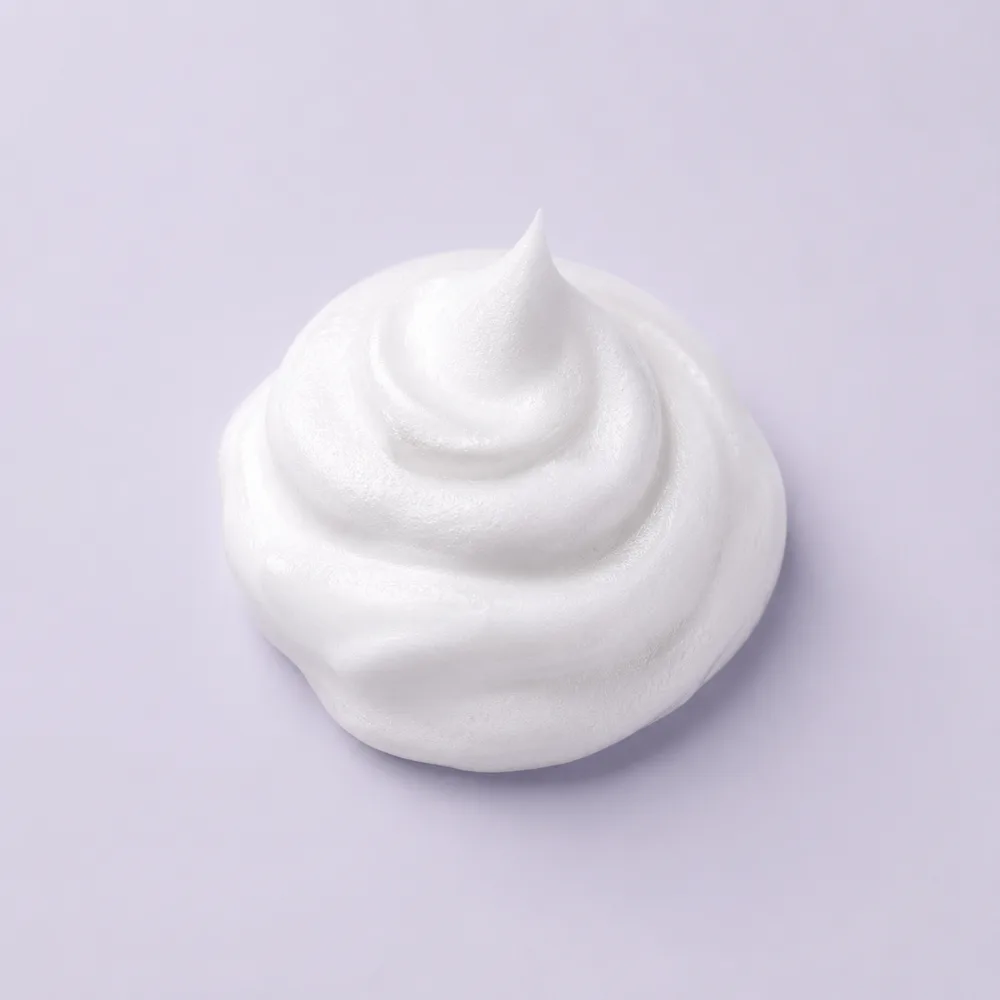
What is Korean Cleanser OEM Manufacturing?
The Korean double-cleanse (oil cleanser followed by water-based cleanser) is one of the most influential skincare routines of the last decade. It reshaped how global consumers think about cleansing, and it's why Korean cleanser formats now dominate specialty retail in the US, UK, Southeast Asia, and the Middle East.
In Korean manufacturing, OEM (Original Equipment Manufacturing) means you supply the formula and the factory produces it to your specification. ODM (Original Design Manufacturing) means the factory develops the formula with you, typically adapting an existing proprietary base. Both are widely available.
Korean cleanser OEM is especially strong in four formats: cleansing oils (removes sunscreen and sebum-based makeup), cleansing balms (solid-to-oil, travel-friendly, premium positioning), low-pH gel and foam cleansers (gentle, morning-routine friendly), and micellar waters (no-rinse, travel and convenience format). Korean manufacturers have refined each of these formats over years of domestic competition and export demand.
Why Source This Product from Korea
- 1
Format Innovation and Depth
Korean manufacturers produce across every cleanser format (oil, balm, foam, gel, cream, micellar, jelly, powder) with mature production lines for each. Format variety lets brands build full cleansing ranges or launch with the specific format best suited to their target market.
- 2
Low-pH and Barrier-Friendly Formulation
Low-pH cleansing (pH 5.0–6.5) is a core Korean formulation strength. Korean factories have deep experience balancing effective cleansing surfactants with skin barrier preservation, a standard that's still uncommon in Western cleanser manufacturing.
- 3
Low-MOQ Access
Cleanser MOQs at mid-size Korean factories typically start at 3,000 units per SKU for private label. Custom ODM development starts at 3,000–5,000 units per SKU.
Cleanser types we source
A snapshot of the product types Korean manufacturers in our network produce in this category. Submit an RFQ for any of them, or describe your own.
- 01
Cleansing Oil
Lightweight oils that melt makeup and SPF for the first cleanse.
- 02
Cleansing Balm
Solid-to-oil sherbet balms for gentle, thorough makeup removal.
- 03
Foam Cleanser
Whipped and creamy foams for a daily second cleanse.
- 04
Gel Cleanser
Low-pH, barrier-friendly gels for sensitive and acne-prone skin.
- 05
Micellar Water
No-rinse micellar cleansing for quick or travel routines.
- 06
Cream / Milk Cleanser
Rich, hydrating cleansers for dry and mature skin.
Foam Cleanser formulation directions
The 5 directions Korean manufacturers in our network build foam cleanser products around. Pick one to see what it is, then request it or open the full formulation page.
Creamy foam
The dense cushioned lather Korean cleansers are known for, comfortable for daily use.
Typical Specifications & Ranges
- MOQ Range
- 3,000 units per SKU (private label); 3,000–5,000 units per SKU (custom ODM)
- Lead Time
- 8–12 weeks
- Certifications
- ISO 22716 / CGMP; FDA facility registration (MoCRA), EU CPNP support; vegan, cruelty-free available
- Popular Formats
- Oil, balm, foam, gel, low-pH gel, micellar water, jelly, cream cleanser
- Packaging
- Tube, pump bottle, jar (for balms), airless pump, flat pouch
The Korean Cleanser Manufacturing Advantage
Korean cleanser formulation is shaped by a domestic market that rewards gentle, barrier-respecting cleansing, and an export market that has embraced the double-cleanse globally. Korean OEM manufacturers have mature supply chains for cleansing surfactants, emulsifying oils, and specialty ingredients like rice bran extract, propolis, and green tea, all of which are standard in the Korean cleanser category.
- Low-pH formulation expertise for barrier-preserving cleansing
- Mature supply chain for specialty Korean ingredients (rice, propolis, green tea, heartleaf)
- Emulsification and stability expertise for cleansing oils and balms
- Export-ready documentation and INCI compliance for US, EU, UK, Australia
- Vegan and cruelty-free certification routes available
Our Network
Verified Korean Cleanser Manufacturers
All MFDS-registered, certified, and with verified export experience. Submit an RFQ to get matched with the right ones for your project.
Get Matched with ManufacturersFormulations we develop in this category
Each product type below lists the formulation directions available through our Korean manufacturer network, with packaging options and typical requirements.
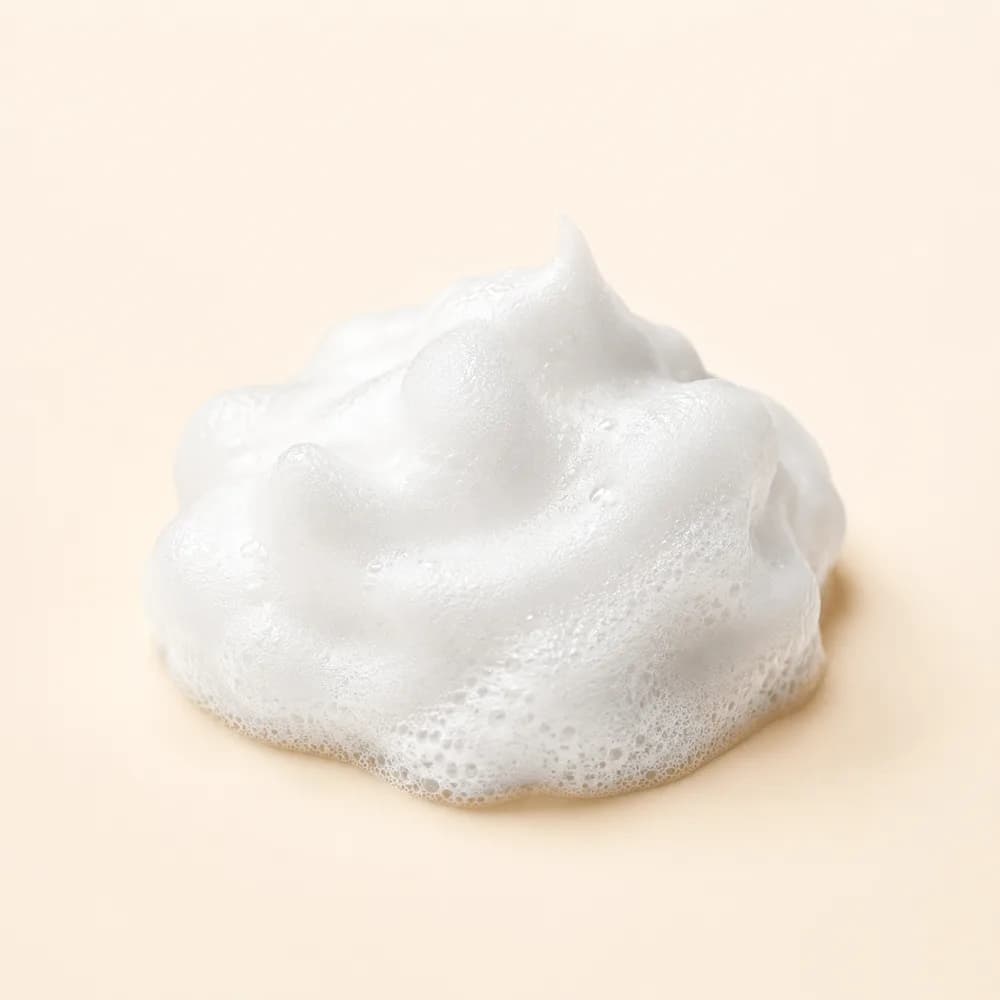 Bubble CleanserSelf-foaming carbonated wash with a visible bubbling effect5 formulations
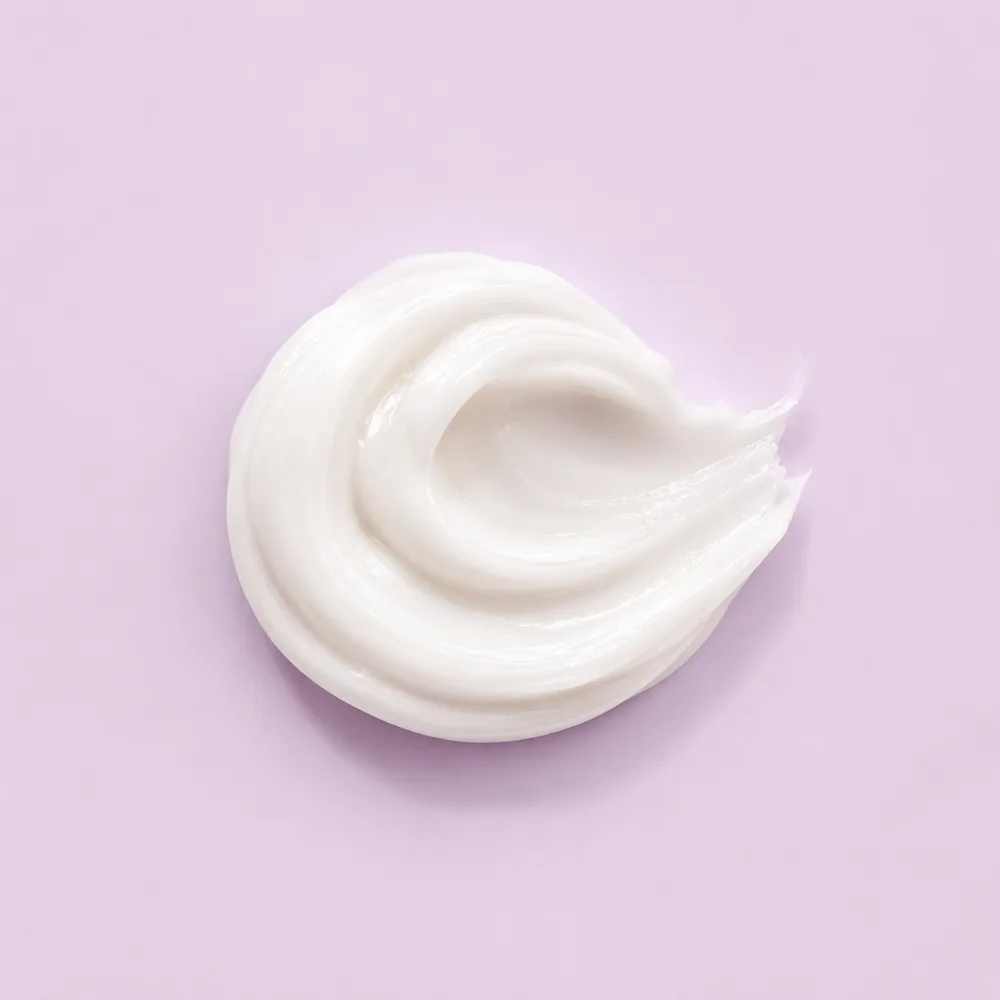 Cleansing BalmSherbet-to-oil first cleanser that melts makeup and sunscreen5 formulations
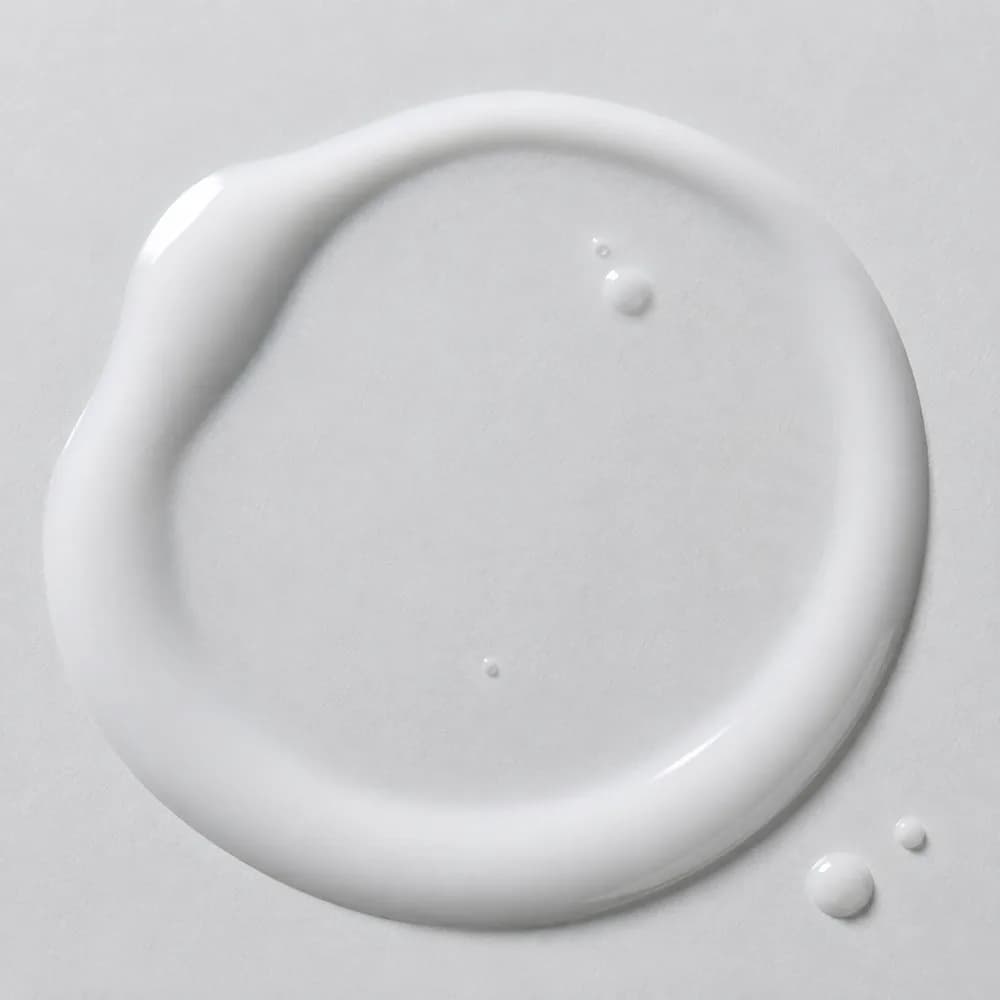 Cleansing MilkCreamy low-irritation cleanser for dry and reactive skin4 formulations
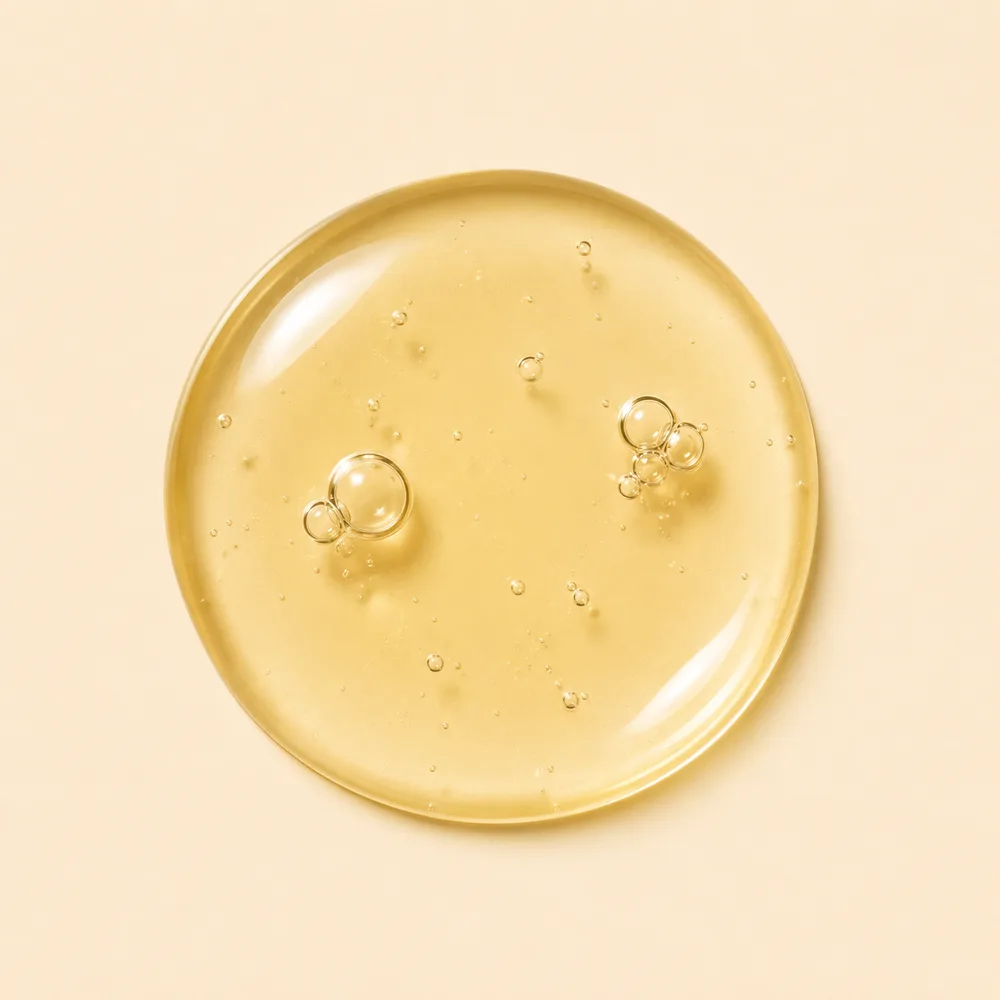 Cleansing OilEmulsifying first-step oil that rinses clean without film5 formulations
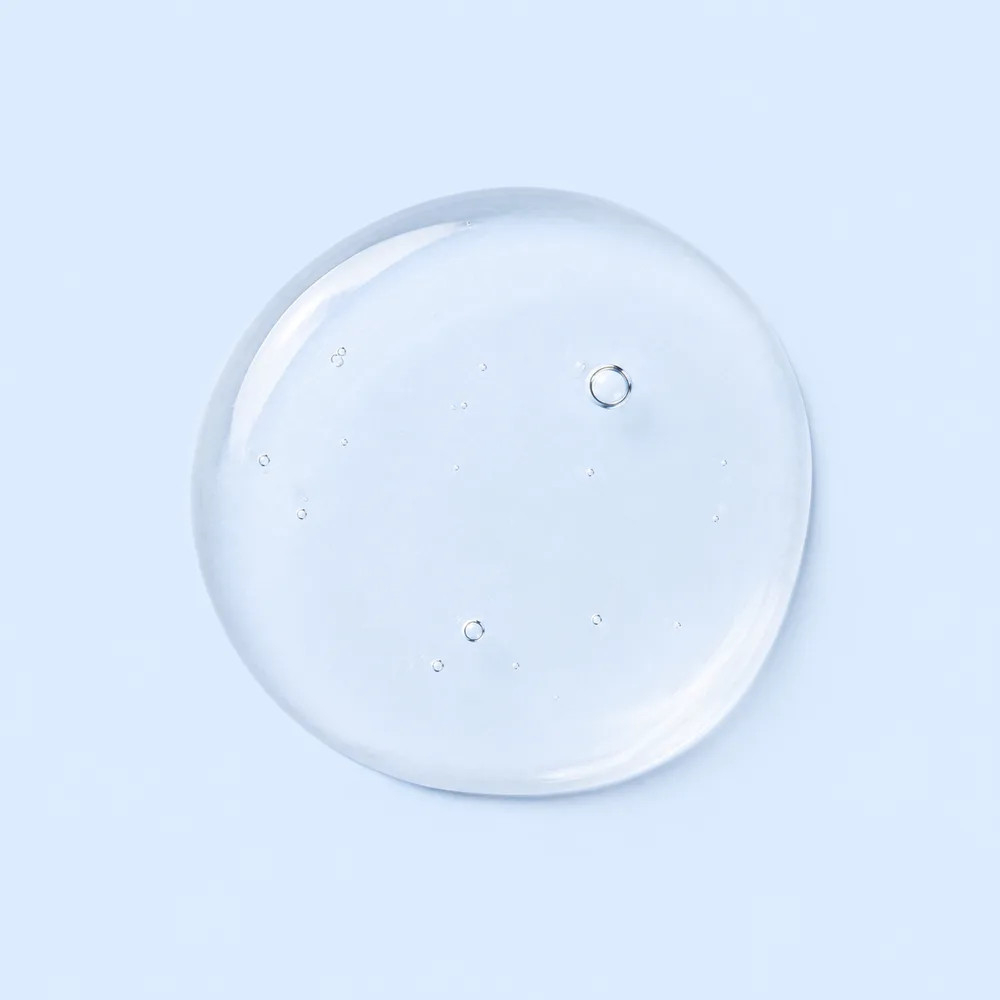 Cleansing WaterMicellar cleansing water that removes makeup without rinsing4 formulationsFoam CleanserDense-lather second-step cleanser with tunable pH5 formulations
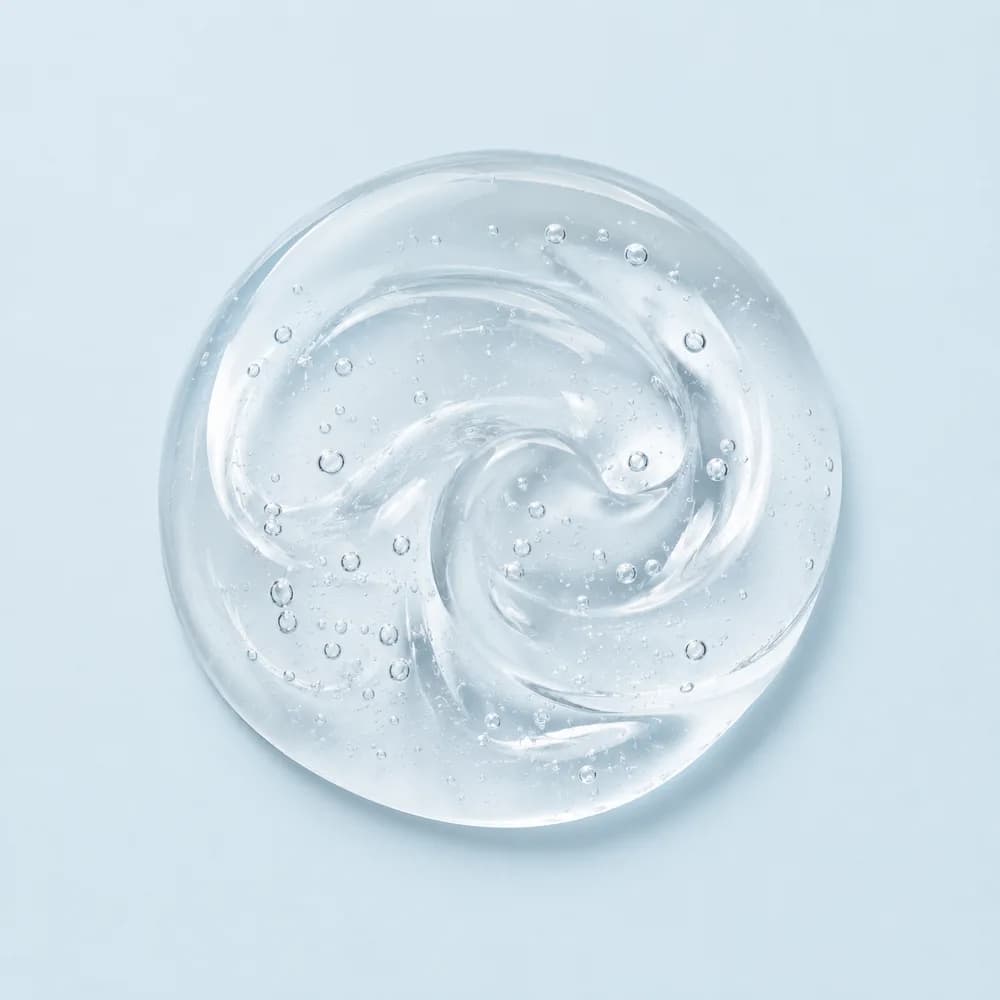 Gel CleanserLightweight gel wash for oily and blemish-prone skin5 formulations
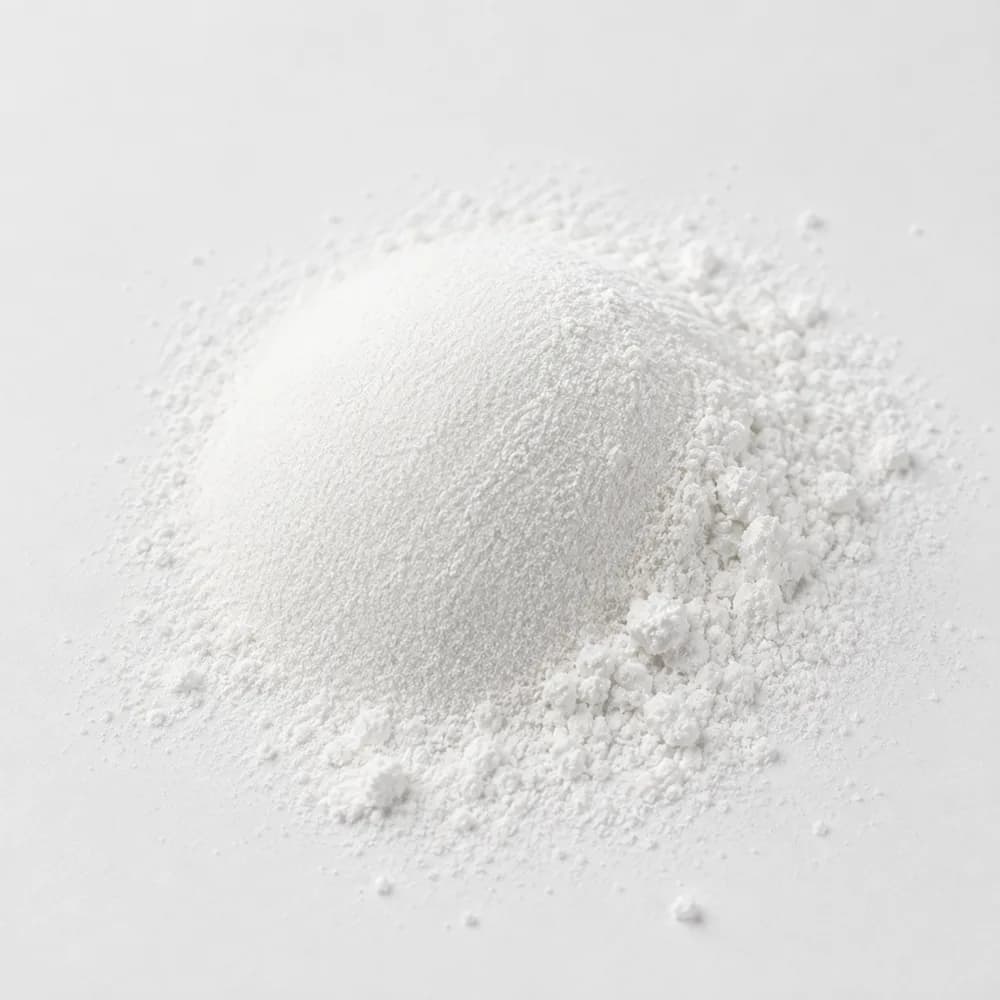 Powder CleanserEnzyme powder wash activated with water4 formulations
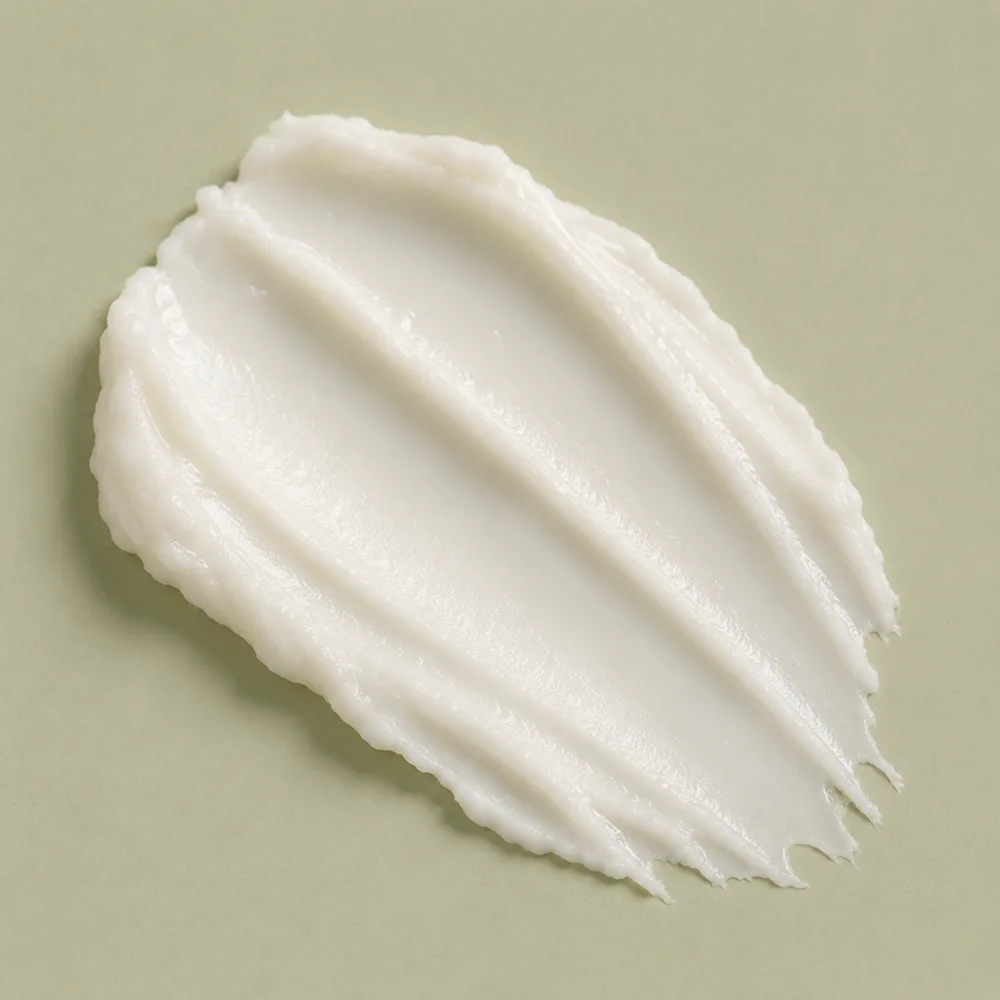 Peeling GelRoll-off and acid resurfacing for visible smoothing5 formulations
Browse Related Categories
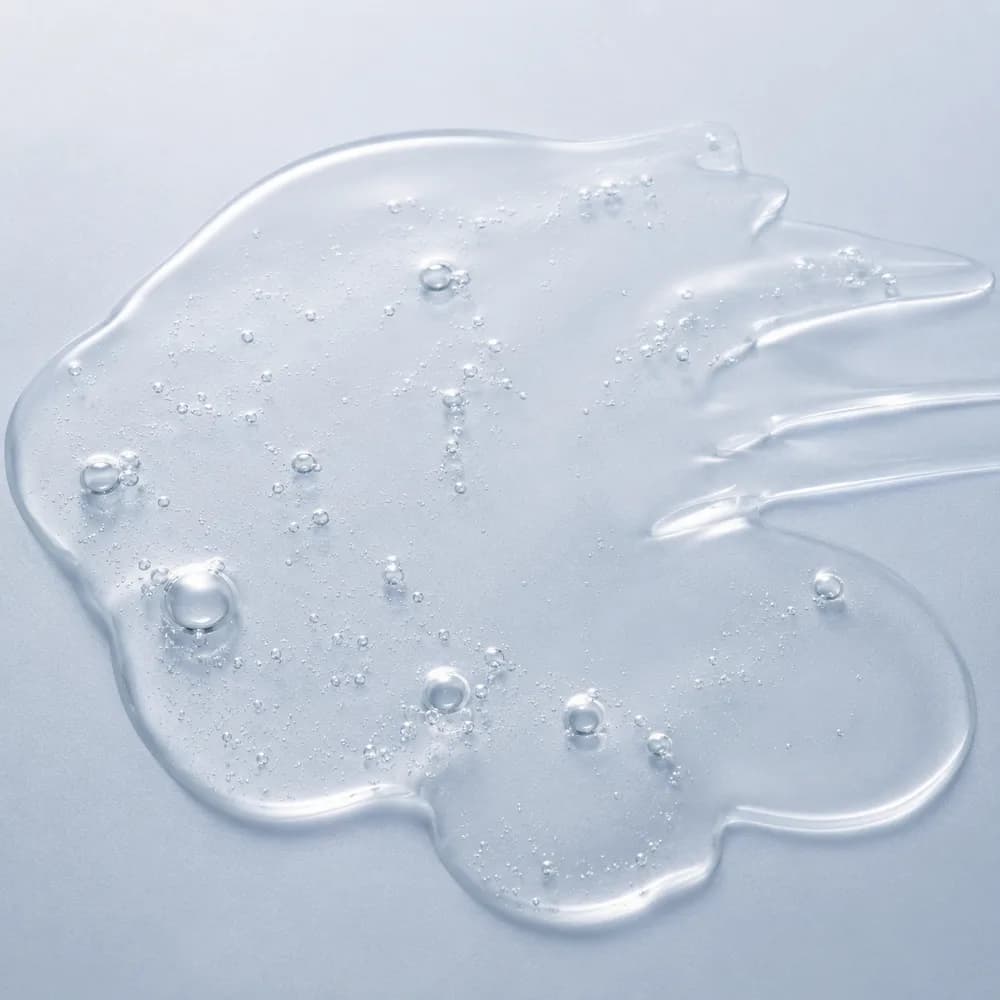
Serums
Niacinamide, galactomyces, retinal, and peptide serums from Korean manufacturers.
Explore category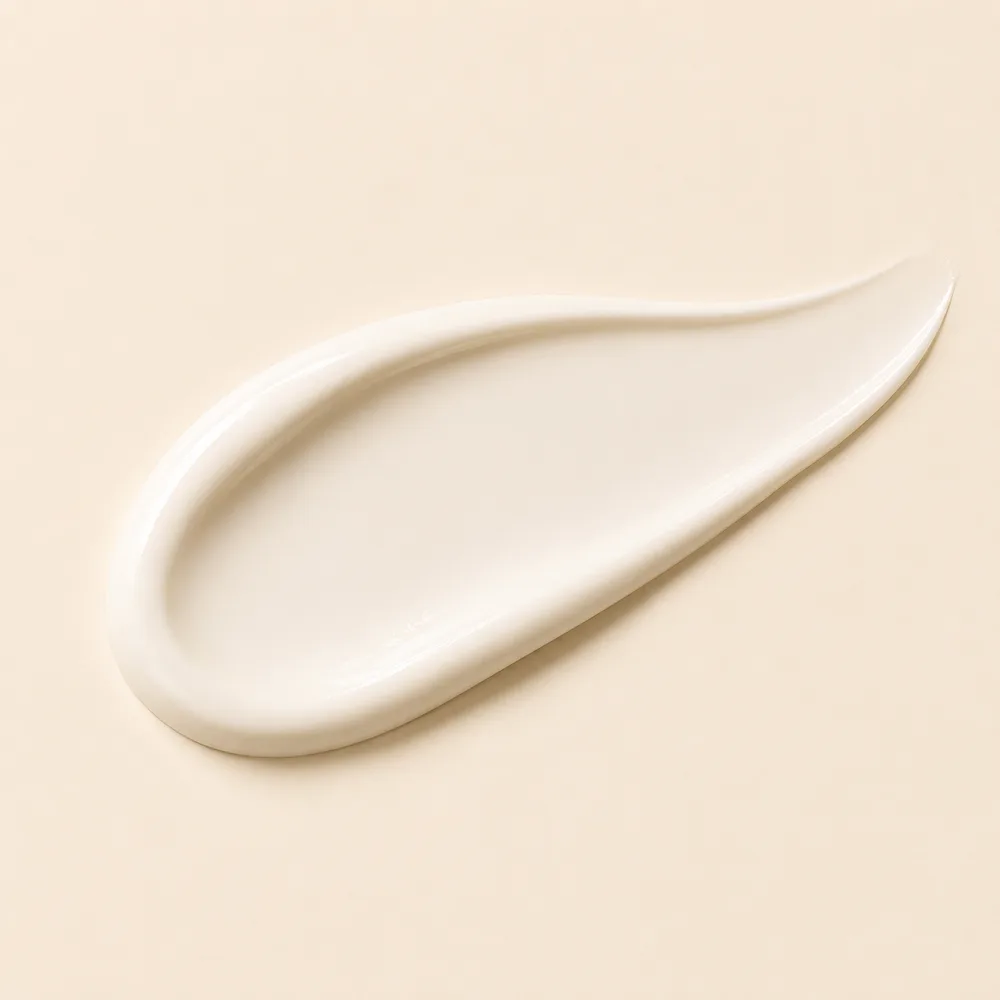
Sunscreens
Chemical and mineral SPF products: Korea's globally-recognized sunscreen category.
Explore category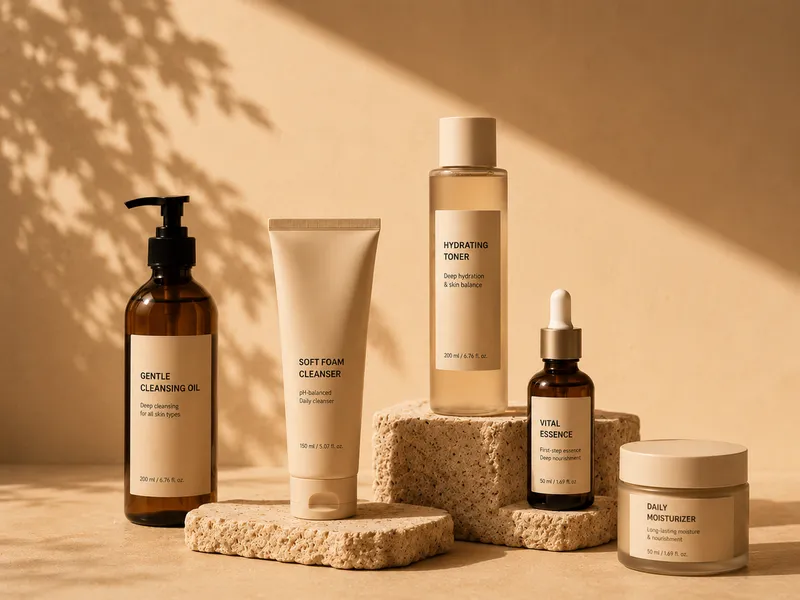
Skincare Private Label
Build a full skincare range from verified Korean manufacturers.
Explore categoryFrequently Asked Questions
What's the difference between a cleansing oil and a cleansing balm?
Cleansing oils are liquid at room temperature; cleansing balms are solid or semi-solid and melt on contact with skin. Both are oil-based first-cleanse products that remove sunscreen, sebum, and oil-soluble makeup. Balms command a price premium due to perceived luxury and travel-friendly packaging; oils are more accessible and pour faster. Korean OEM manufacturers produce both at comparable MOQs.
Why is low-pH important for Korean cleansers?
Healthy skin maintains a slightly acidic pH of roughly 4.5–5.5. Cleansers with high pH (traditional soap-based cleansers, some Western foaming cleansers) can disrupt the skin barrier, leading to dryness, sensitivity, and over-production of sebum. Low-pH Korean cleansers (pH 5.0–6.5) clean effectively while respecting the skin's natural pH, a formulation standard that is now expected in the K-beauty consumer market and increasingly in global premium skincare.
Can Korean manufacturers produce sulfate-free cleansers?
Yes. Sulfate-free (SLS-free, SLES-free) cleanser formulations are standard at Korean OEM factories, particularly for sensitive skin, kids' skincare, and premium positioning. Common alternative surfactants include amino acid-based surfactants, coconut-derived cleansers (cocamidopropyl betaine, coco-glucoside), and saponin-based systems. Most Korean export-focused manufacturers default to sulfate-free for international market products.
How do I ensure FDA compliance for US market cleansers?
Most cleansers are regulated in the US as cosmetics (no pre-market FDA approval required). However, cleansers marketed with acne, anti-dandruff, or other therapeutic claims may fall under OTC drug regulation and require FDA drug facility registration. Korean OEM factories familiar with US export can advise on compliant claim language and provide the INCI labeling documentation required for US market entry.
Ready to source from Korean cleanser manufacturers?
Submit your RFQ and get matched with verified manufacturers.
Submit Your Sourcing Request