
Korean Eye Cream OEM Manufacturer: Private Label Eye Creams Made in Korea
Targeted eye-area treatments: peptide, retinol, caffeine, and brightening formulations. Korean OEM manufacturers specialize in the delicate orbital skincare category.
Submit Your Sourcing Request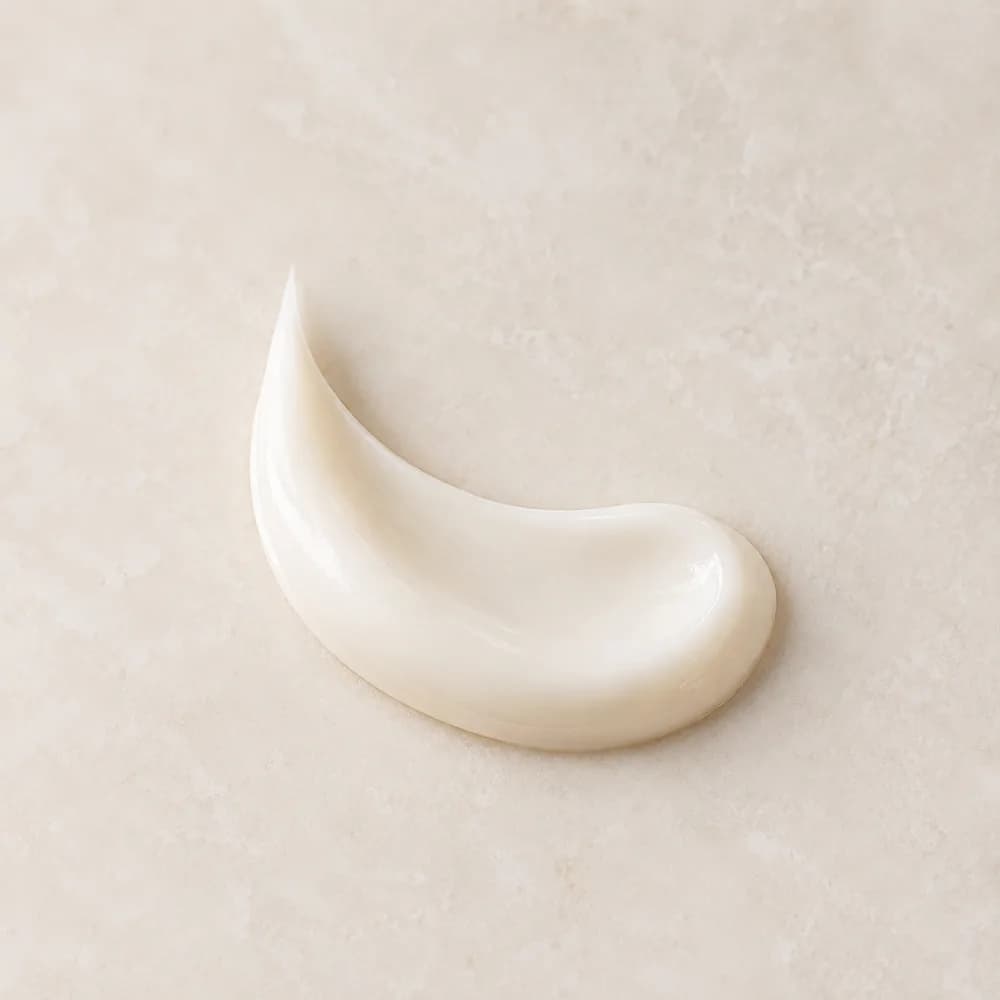
What is Korean Eye Cream OEM Manufacturing?
Eye creams are a high-margin, high-perceived-value skincare category. The eye-area skin is thinner, more sensitive, and more prone to visible aging than the rest of the face, which is why consumers expect eye creams to be gentler, more concentrated, and more targeted than regular moisturizers. Korean OEM manufacturers specialize in this balance of efficacy and tolerance.
In Korean manufacturing, OEM means you supply the formula and the factory produces it; ODM means the factory develops the formula collaboratively. Both models are available for eye cream production.
Korean eye cream strengths for private label include: peptide eye creams (copper peptides, signal peptides, carrier peptides for collagen support), encapsulated retinol eye creams (high efficacy with reduced irritation, a Korean formulation strength), caffeine and green tea eye creams (puffiness and dark circles), and brightening eye creams with niacinamide, tranexamic acid, or vitamin C derivatives. The metal-tip applicator, a Korean packaging signature, is broadly available at Korean OEM factories.
Why Source This Product from Korea
- 1
Encapsulated Retinol and Peptide Expertise
Korean manufacturers lead globally in encapsulation technology, making retinol and peptides more stable, more tolerable, and more effective in delicate eye-area formulations. Encapsulated retinol eye creams survive shelf life without oxidation and deliver actives without the irritation common to unprotected retinol.
- 2
Gentle Formulation for Sensitive Eye Area
Eye-area formulation requires lower pH, minimal fragrance, and careful preservation: standard practice at Korean OEM factories. Korean manufacturers routinely produce ophthalmologist-tested eye creams suitable for sensitive skin and contact lens wearers, with documentation suitable for international retail claims.
- 3
Metal-Tip Applicator and Premium Packaging
Korean packaging suppliers offer an extensive range of eye cream packaging formats: metal-tip airless pumps (for cooling application), rollerball applicators, ceramic-tip tubes, and premium glass jars. This packaging depth is a Korean specialty and a significant brand differentiator for private-label eye cream products.
Eye cream types we source
A snapshot of the product types Korean manufacturers in our network produce in this category. Submit an RFQ for any of them, or describe your own.
- 01
Peptide Eye Cream
Firming peptides targeting fine lines and elasticity.
- 02
Encapsulated Retinol Eye Cream
Stabilized retinoids for the delicate eye area.
- 03
Caffeine Eye Cream
De-puffing, circulation-boosting formulas for tired eyes.
- 04
Brightening Eye Cream
Niacinamide and vitamin C blends for dark circles.
- 05
Metal-Tip Eye Serum
Cooling metal-applicator serums for targeted treatment.
Eye Cream formulation directions
The 5 directions Korean manufacturers in our network build eye cream products around. Pick one to see what it is, then request it or open the full formulation page.
Firming
Multi-peptide complexes for fine lines where skin is thinnest and shows change first.
Typical Specifications & Ranges
- MOQ Range
- 3,000 units per SKU (private label); 3,000–5,000 units per SKU (custom ODM)
- Lead Time
- 8–12 weeks
- Certifications
- ISO 22716 / CGMP; ophthalmologist-tested, FDA facility registration (MoCRA), EU CPNP support
- Popular Actives
- Peptides, encapsulated retinol, caffeine, niacinamide, bakuchiol, tranexamic acid
- Packaging
- Metal-tip airless pump, rollerball, ceramic-tip tube, glass jar, frosted pump
The Korean Eye Cream Manufacturing Advantage
Korean eye cream OEM is a specialty within a specialty. The category demands more sensitivity, more actives sophistication, and more packaging refinement than regular skincare, and Korean manufacturers have invested specifically in these capabilities. For buyers targeting the mid-premium and premium retail segments, Korean eye cream OEM offers a combination of formulation quality and packaging variety that is difficult to match at comparable MOQs elsewhere.
- Encapsulation technology for retinol and sensitive actives
- Peptide formulation with proprietary complexes
- Ophthalmologist-testing and safety documentation routine
- Metal-tip, rollerball, and premium applicator packaging supply chain
- Export-ready documentation for US, EU, UK, Australia
Our Network
Verified Korean Eye Cream Manufacturers
All MFDS-registered, certified, and with verified export experience. Submit an RFQ to get matched with the right ones for your project.
Get Matched with ManufacturersFormulations we develop in this category
Each product type below lists the formulation directions available through our Korean manufacturer network, with packaging options and typical requirements.
Eye CreamTargeted eye-area cream with applicator options5 formulations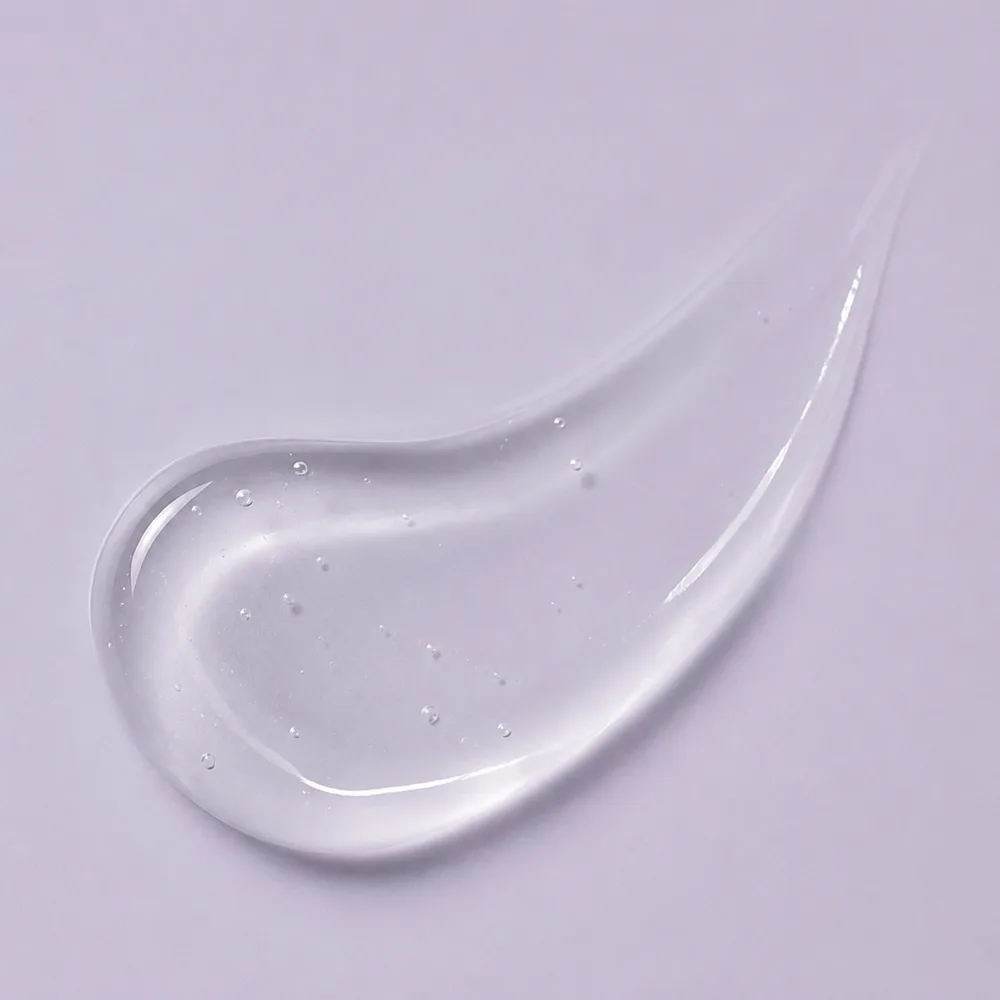 Eye SerumLightweight targeted treatment for the eye area5 formulations
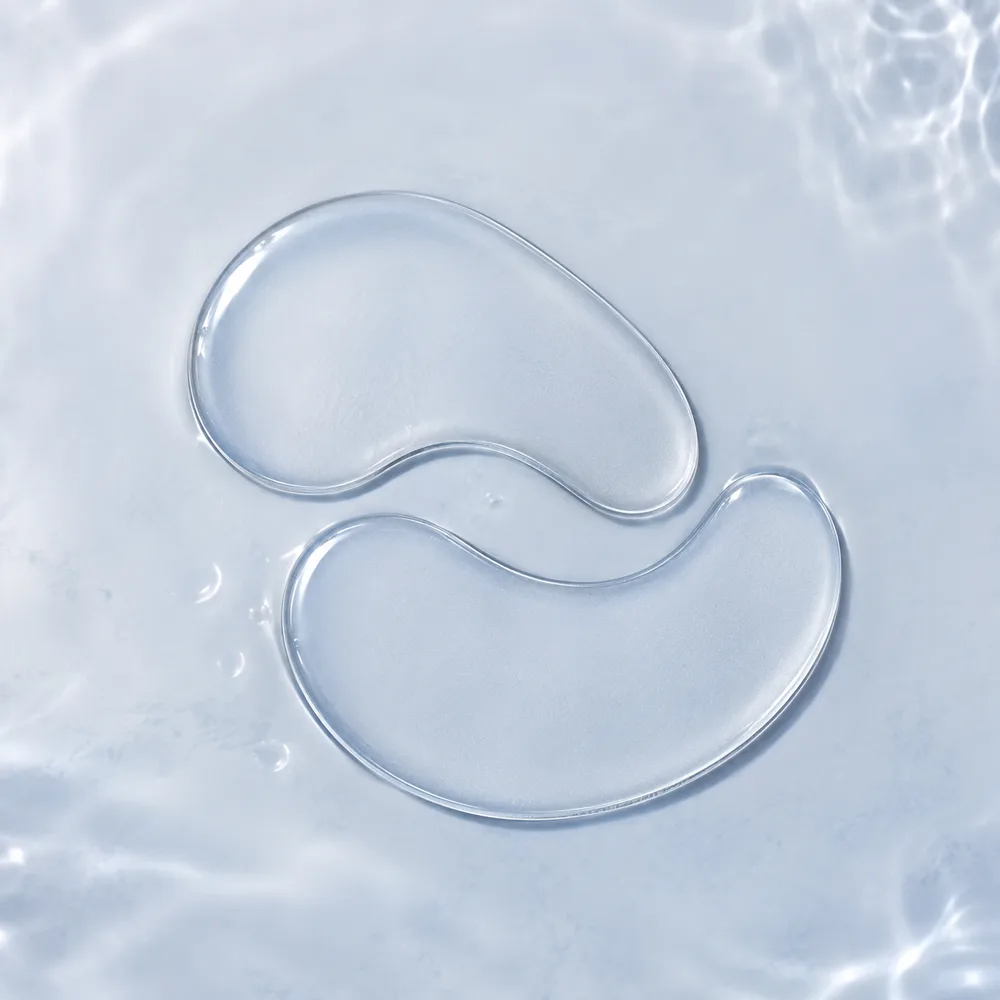 Hydrogel Eye PatchCooling gel patches that cling under the eyes5 formulations
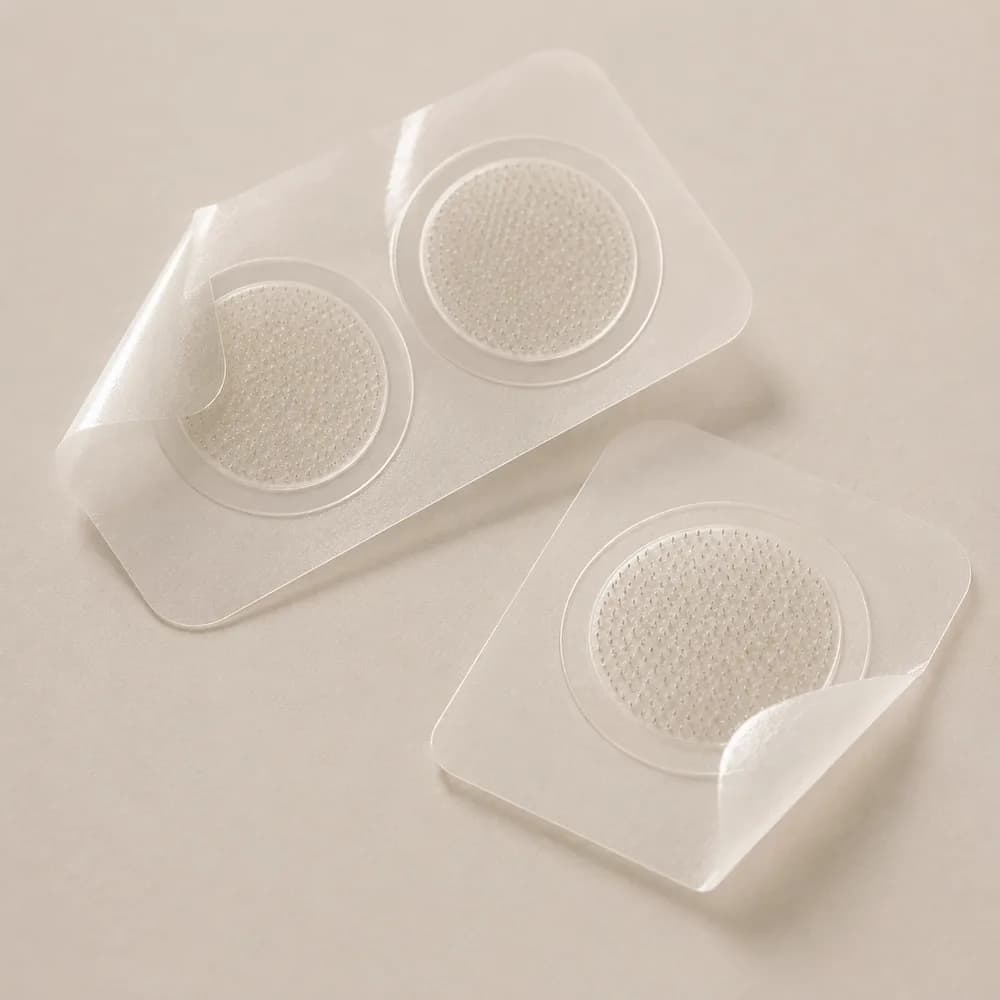 Microneedle PatchDissolving micro-needle patch for targeted delivery4 formulations
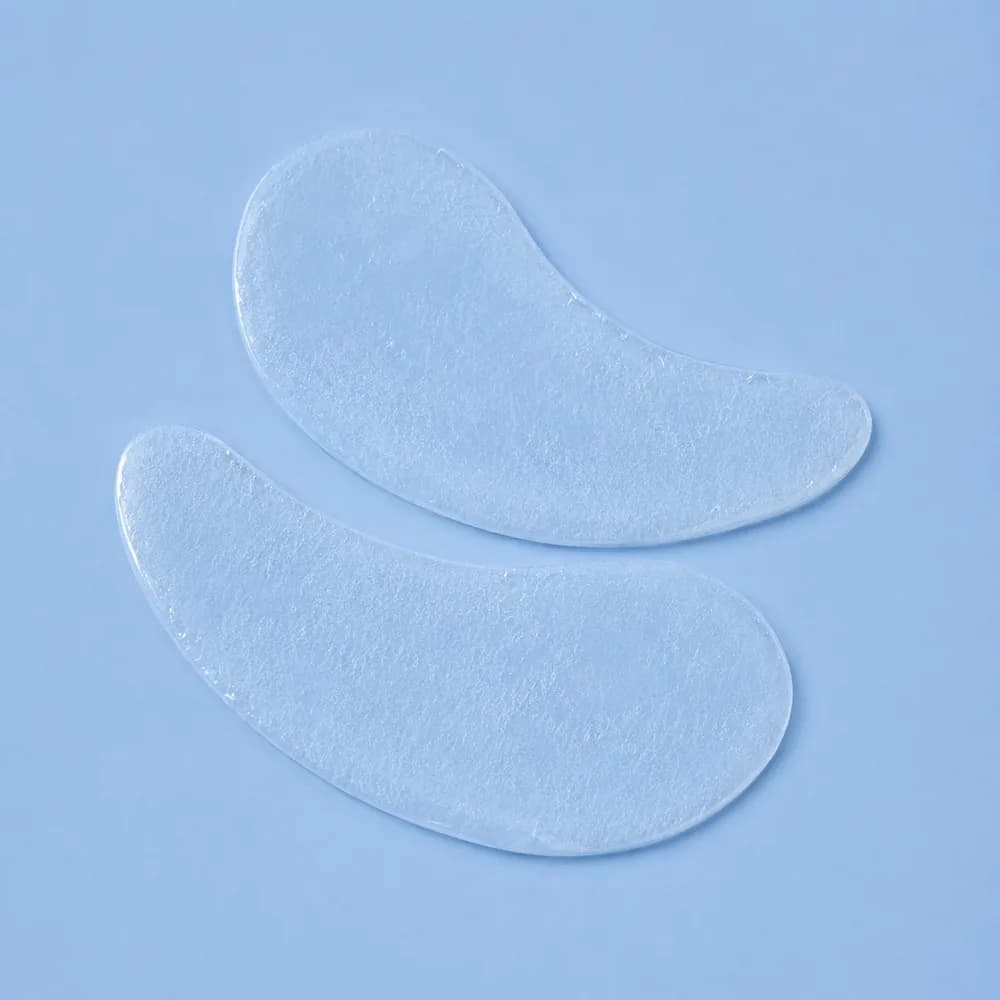 Sheet Eye PatchCotton under-eye patches for daily targeted care4 formulations
Browse Related Categories
Frequently Asked Questions
Is retinol safe in an eye cream?
Yes, when formulated correctly. Retinol is one of the most-studied anti-aging actives and is effective for eye-area fine lines and texture. The formulation challenges are stability (retinol degrades with light and oxygen) and tolerability (traditional retinol can irritate the thin eye-area skin). Korean OEM manufacturers address both with encapsulated retinol systems: microcapsules that release retinol gradually and protect it from oxidation. For sensitive users, bakuchiol (a plant-based retinol alternative) is a popular formulation option.
What's the difference between an eye serum and an eye cream?
Eye serums are typically water-based or lightweight gels with high active concentration and fast absorption; eye creams are richer emulsions with more occlusive load and longer-lasting hydration. Many brands offer both as separate SKUs for day (serum) and night (cream) use, or as a targeted layering routine. Korean OEM factories produce both formats at similar MOQs; the formulation and packaging choices differ but the production lines overlap.
Can Korean manufacturers formulate ophthalmologist-tested eye creams?
Yes. Ophthalmologist testing is a standard option at Korean OEM facilities with international export experience. The testing is conducted by third-party labs (either in Korea or through partnered labs in the target market) and produces documentation suitable for retail claims. Brands should specify at the RFQ stage whether ophthalmologist testing is required, since it needs to be planned into the 8–12 week production timeline and adds incremental cost.
Do I need a separate eye cream in a product line, or can I position a face cream for eye use?
A dedicated eye cream is almost always better from a product and marketing standpoint. The eye-area skin has genuinely different needs (thinner, more prone to puffiness and pigmentation), the packaging signals care and specificity (metal-tip, small size), and consumers expect a dedicated SKU in a full skincare range. From an OEM standpoint, adding a dedicated eye cream to a product line is one of the highest-margin decisions: eye creams command a price premium relative to face creams while using smaller fill quantities.
Ready to source from Korean eye cream manufacturers?
Submit your RFQ and get matched with verified manufacturers.
Submit Your Sourcing Request