Makeup · Face Makeup
Blush
Korean blush leans sheer and buildable rather than pigment-heavy, and cream and liquid formats have overtaken powder domestically because they melt into the dewy base. Shade ranges stay small since blush tones are far more universal than foundation.
Production terms are confirmed directly with the matched manufacturer.
Available directions
Formulation directions this product type can be developed in. Pick one during your request, or ask us to advise during matching.
Powder
The reliable classic, best for oily skin and palette formats.
Cream
Melts into the base for the skin-like flush Korean trends favour.
Liquid
Sheer buildable wash, currently the strongest-selling direction.
Stick
Twist-up for direct application and travel.
Velvet
Soft-matte finish sitting between powder and cream.
Blush-highlighter hybrid
Dual-effect product giving flush and glow in one step.
Key ingredient options
Mica and pigment blend
Determines both the shade and the finish, from flat matte to visible shimmer.
Squalane
Gives cream and liquid formats their blendability and skin-like finish.
Vitamin E
An antioxidant supporting the skincare-in-makeup positioning Korean brands favour.
What makes it work
- Korean blush trends favour sheer buildable washes over the pigment-heavy Western approach.
- Cream and liquid have overtaken powder in Korea, driven by the dewy skin trend.
- Blush shades are far more universal than foundation, so 4 to 6 covers most consumers.
- Shade development runs in-house at Korean color factories. Colour products are quoted per shade, so shade count drives total production volume more than in skincare.
Texture & format
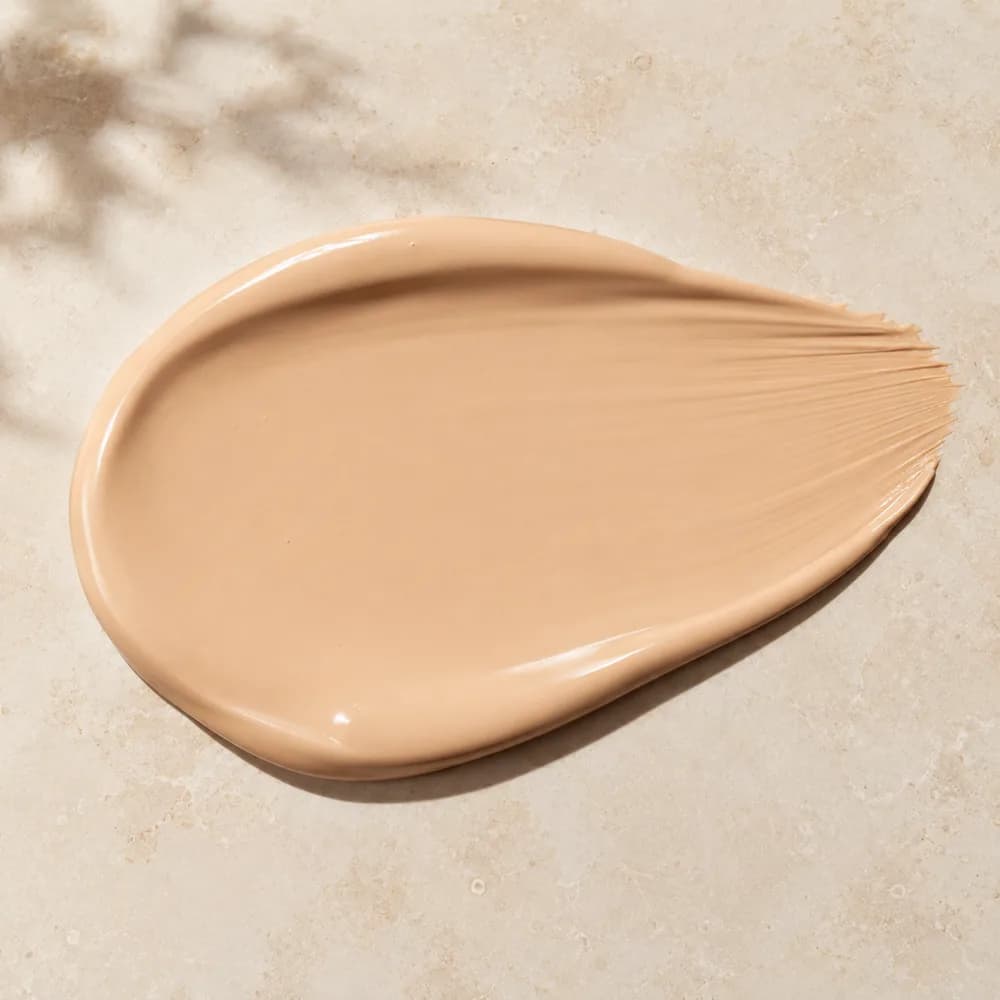
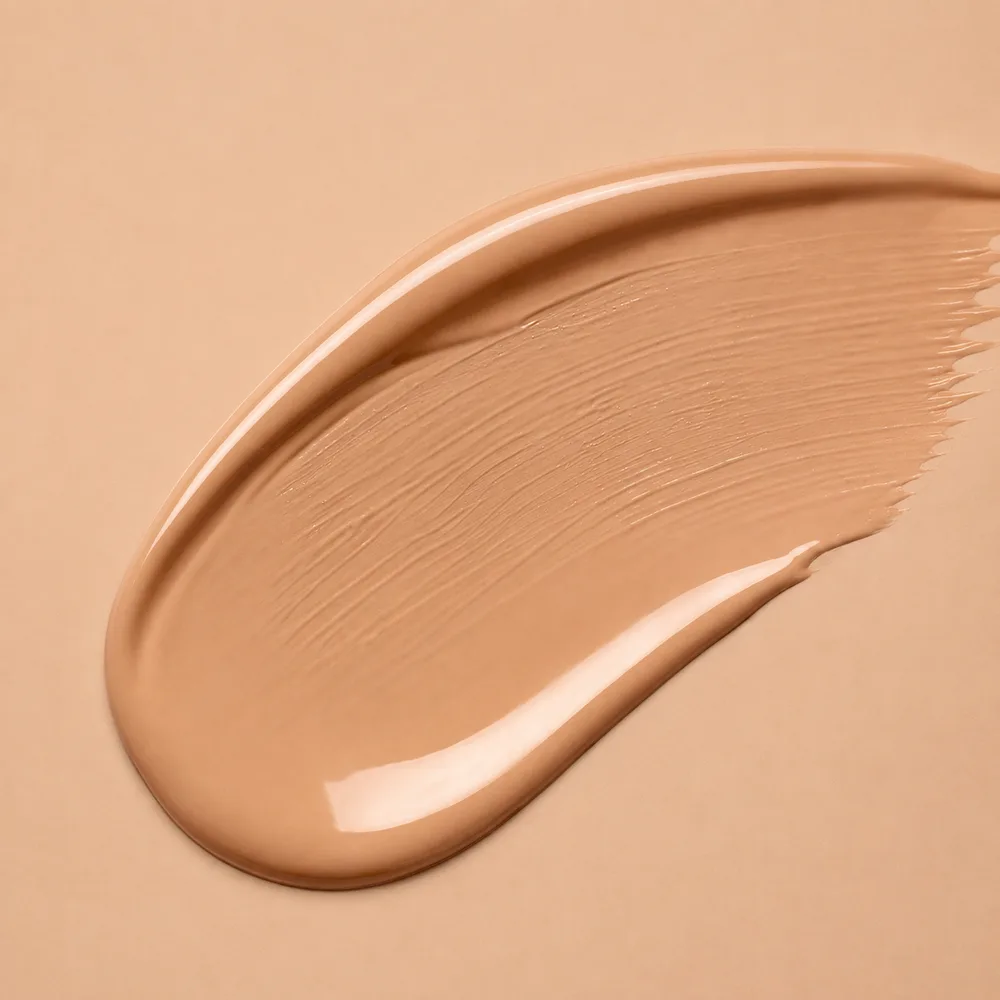
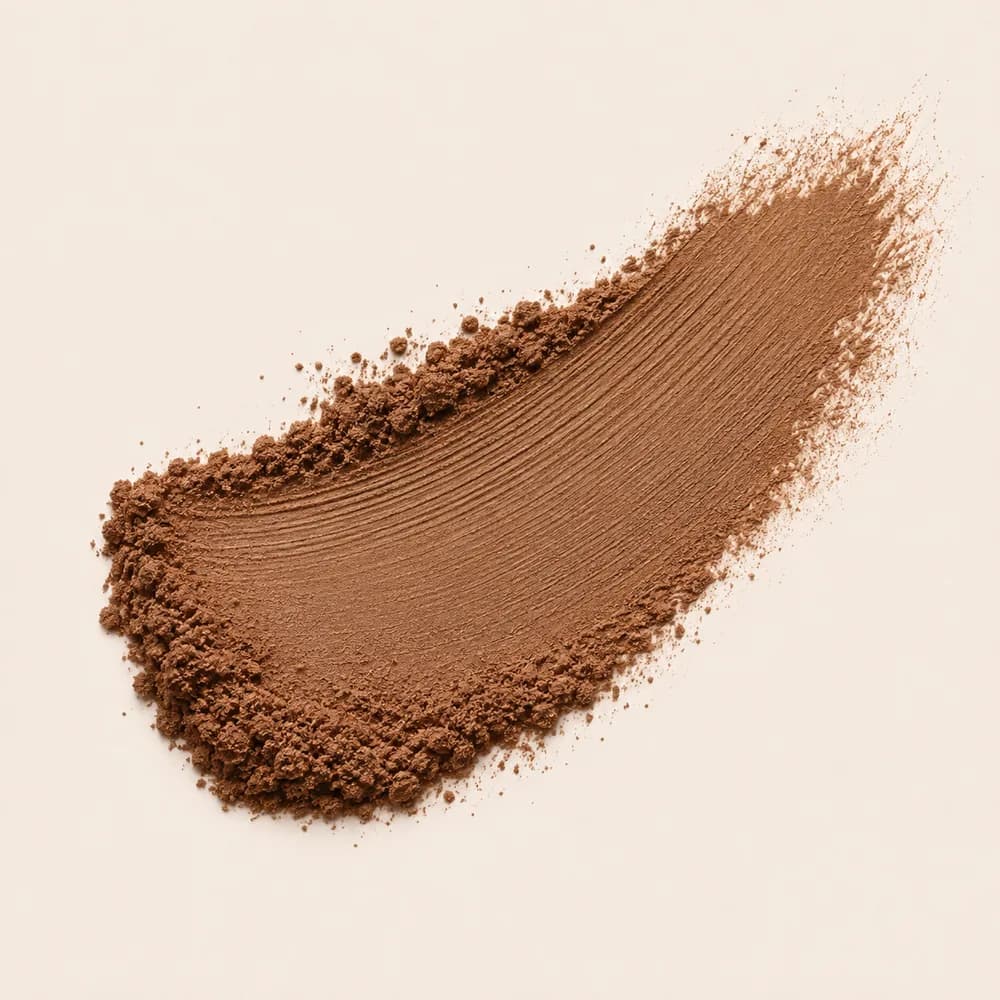
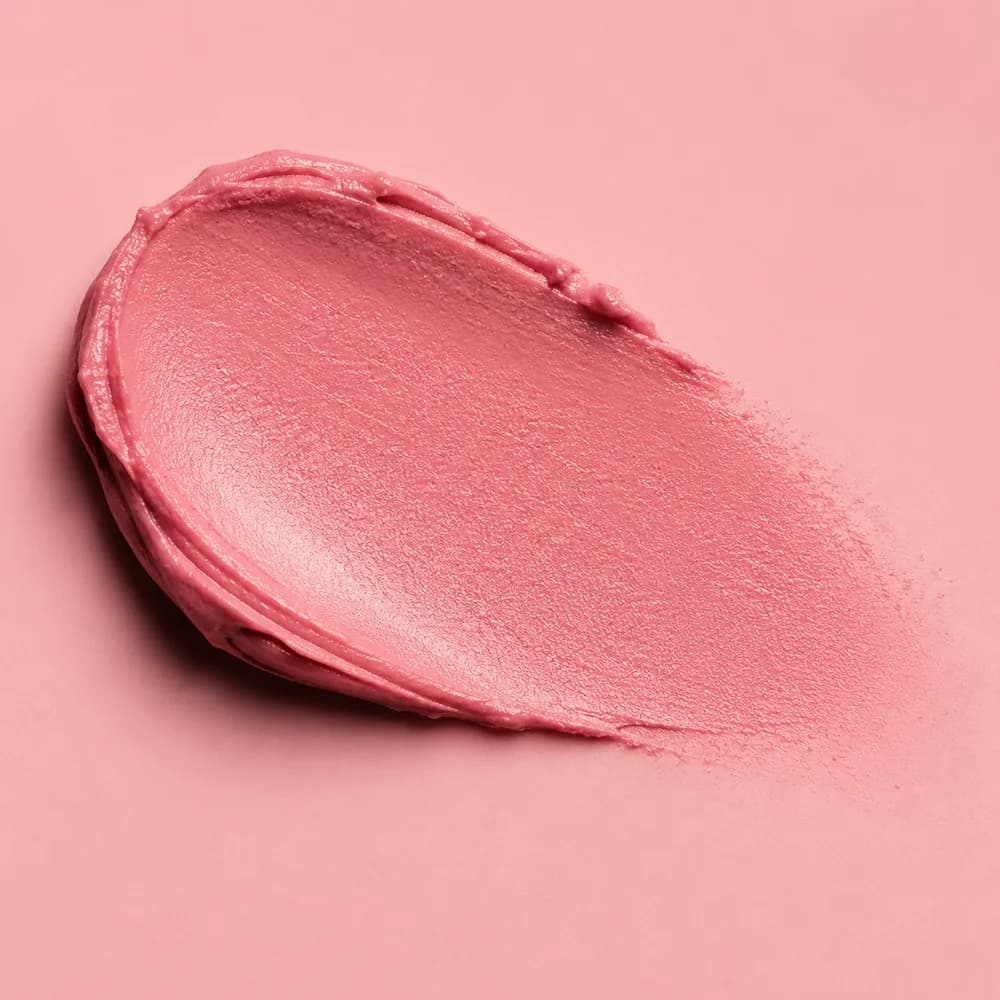
Available as pressed powder, cream pot, liquid wand or twist-up stick, each with a different finish.
Frequently asked
Powder, cream or liquid?
Cream and liquid dominate current Korean trends because they melt into the dewy base rather than sitting on top. Powder remains reliable for oily skin and palette formats.
How many shades for a launch?
Four to six is typical. Blush shades are more universal than foundation, so a smaller range covers most consumers without tone-matching complexity.