
Korean Sheet Mask OEM Manufacturer: Hydrogel & Cotton Masks Private Label
Korea invented the modern sheet mask and leads globally in substrate and serum technology. Source from verified Korean OEM manufacturers.
Submit Your Sourcing Request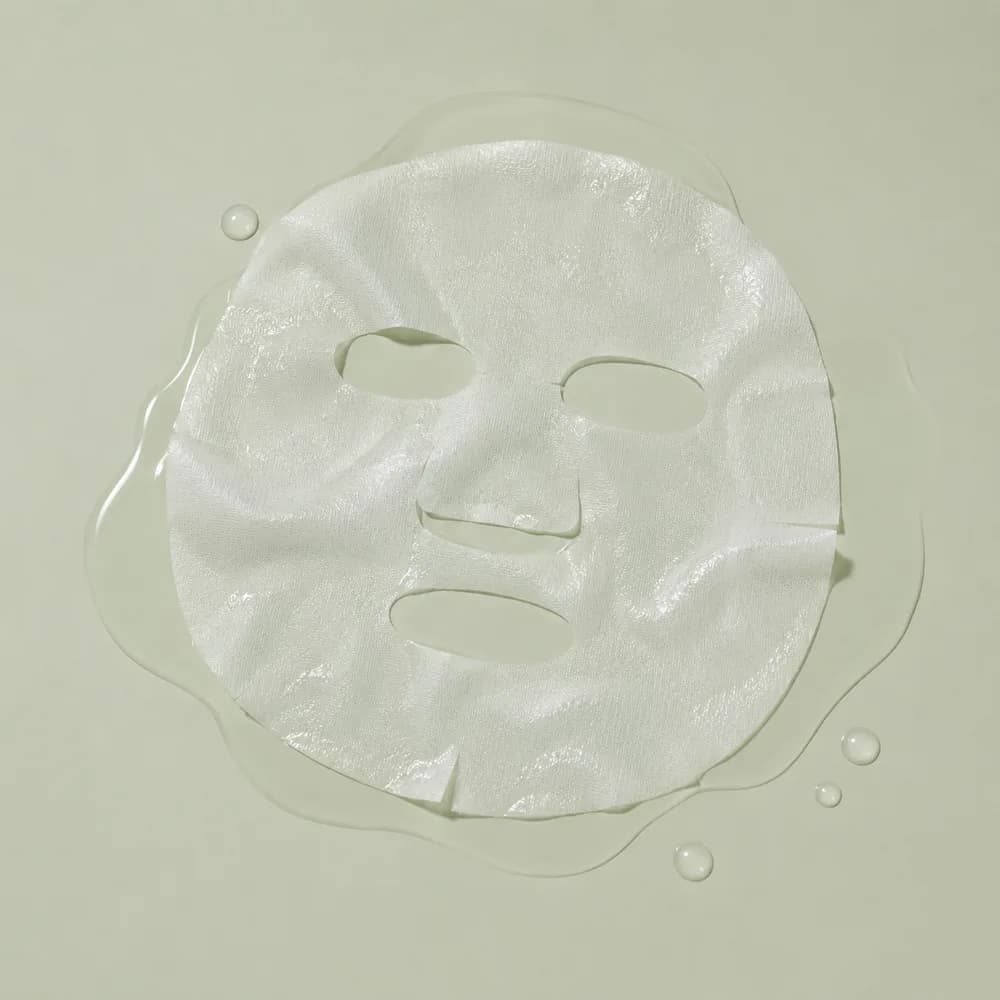
What is Korean Sheet Mask OEM Manufacturing?
Korea invented the modern sheet mask: the pre-cut fabric or gel substrate saturated with active serum that has become a global skincare staple. The innovation originated in Korean manufacturing and has never left. Korean sheet mask manufacturers hold the majority of global substrate patents and produce for the world's most recognized K-beauty and international prestige brands.
Sheet mask substrates fall into several categories, each with distinct performance and positioning characteristics. Cotton and non-woven fiber masks are the most common format, with low cost, high serum absorption, and wide availability. Hydrogel is a Korean-patented gel-based format with approximately 30% higher serum absorption than cotton due to its gel structure, which maintains contact with skin more effectively. Bio-cellulose is bacterial cellulose with the highest-adherence substrate available, at a premium to ultra-premium price positioning. Charcoal and nano-fiber substrates offer additional functional differentiation.
Korea's leading sheet mask substrate innovators collectively hold dozens of patents and manufacture for recognized K-beauty and global prestige brands. This concentration of intellectual property in the Korean manufacturing ecosystem means that sourcing Korean sheet masks is not simply a cost decision; it's access to patented substrate technology that is genuinely years ahead of alternatives. A growing segment of the market is moving toward biodegradable substrates and compostable packaging, which Korean manufacturers are actively developing.
Why Source This Product from Korea
- 1
Pioneer Technology
Korea invented the modern sheet mask format and holds the majority of global substrate patents: dozens of active patents across cotton, hydrogel, bio-cellulose, and nano-fiber formats. This is IP leadership, not just manufacturing capability. Brands sourcing Korean sheet masks have access to patented substrate technology that competitors using non-Korean manufacturers cannot replicate.
- 2
Hydrogel Innovation
Korean hydrogel masks deliver approximately 30% higher serum absorption than standard cotton substrates, owing to the gel structure's superior skin contact and controlled release properties. This is a scientifically measurable performance difference that translates directly into brand claims, consumer experience, and premium pricing power.
- 3
High Volume, Low Unit Cost
Sheet masks benefit from significant economies of scale. At higher volumes, per-unit costs drop, making them one of the highest-margin product formats in K-beauty when sold at premium retail prices. Even at lower volumes, sheet masks offer attractive unit economics compared to other skincare formats. Per-unit price depends on substrate, serum formula, packaging, and volume, and matched manufacturers quote it after your RFQ.
Sheet mask types we source
A snapshot of the product types Korean manufacturers in our network produce in this category. Submit an RFQ for any of them, or describe your own.
- 01
Cotton Sheet Mask
Classic cotton and microfiber sheets for daily hydration.
- 02
Hydrogel Mask
Gel-type masks for high adherence and cooling delivery.
- 03
Bio-Cellulose Mask
Ultra-thin second-skin masks for intensive treatment.
- 04
Embossed Microfiber Mask
Textured substrates for better serum retention.
- 05
Eye & Spot Patches
Targeted hydrogel patches for the eye area and blemishes.
Sheet Mask formulation directions
The 6 directions Korean manufacturers in our network build sheet mask products around. Pick one to see what it is, then request it or open the full formulation page.
Hydration
Multi-weight hyaluronic essence, the universally sellable base direction.
Typical Specifications & Ranges
- MOQ Range
- 40,000–50,000 units per SKU (sheet masks); hydrogel and other formats confirmed per project with the matched manufacturer
- Lead Time
- 8–12 weeks
- Substrate Options
- Cotton/fiber, hydrogel, bio-cellulose, charcoal, nano-fiber
- Serum Volume
- 20–35ml per mask (depending on format)
- Packaging
- Individual foil pouch, box sets, flow-wrap
- Certifications
- ISO 22716 / CGMP; vegan, cruelty-free options
The Korean Sheet Mask Manufacturing Advantage
Korean sheet mask manufacturing combines pioneering substrate technology, integrated serum formulation, and the deepest supply chain for the format globally. The top Korean sheet mask innovators collectively hold dozens of active substrate patents and supply the most recognized K-beauty and international prestige sheet mask brands. Hydrogel technology, a Korean innovation, is patented, difficult to replicate, and in high global demand.
- Decades of substrate-technology patents in the Korean ecosystem
- Serum formulation and substrate manufacturing in one facility
- Biodegradable and eco-certified substrate options
- Custom printed packaging with flow-wrap automation
- Allergen-free serum formulations available
Our Network
Verified Korean Sheet Mask Manufacturers
All MFDS-registered, certified, and with verified export experience. Submit an RFQ to get matched with the right ones for your project.
Get Matched with ManufacturersFormulations we develop in this category
Each product type below lists the formulation directions available through our Korean manufacturer network, with packaging options and typical requirements.
 Liquid Blemish PatchInvisible film-forming patch painted onto blemishes3 formulations
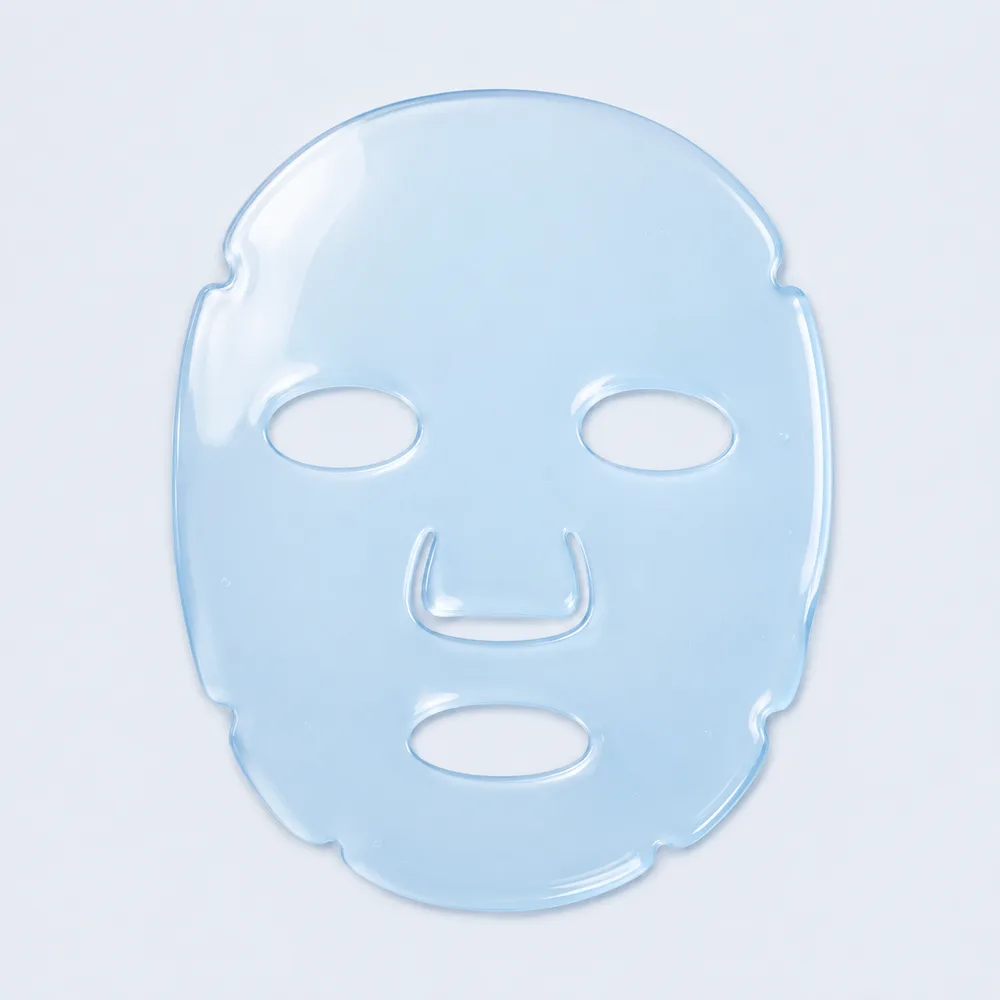 Hydrogel Face MaskCooling jelly mask that clings to facial contours5 formulationsSheet MaskThe K-beauty icon, from cupra sheets to bio-cellulose6 formulations
 Spot PadTargeted treatment pads for blemish-prone areas4 formulations
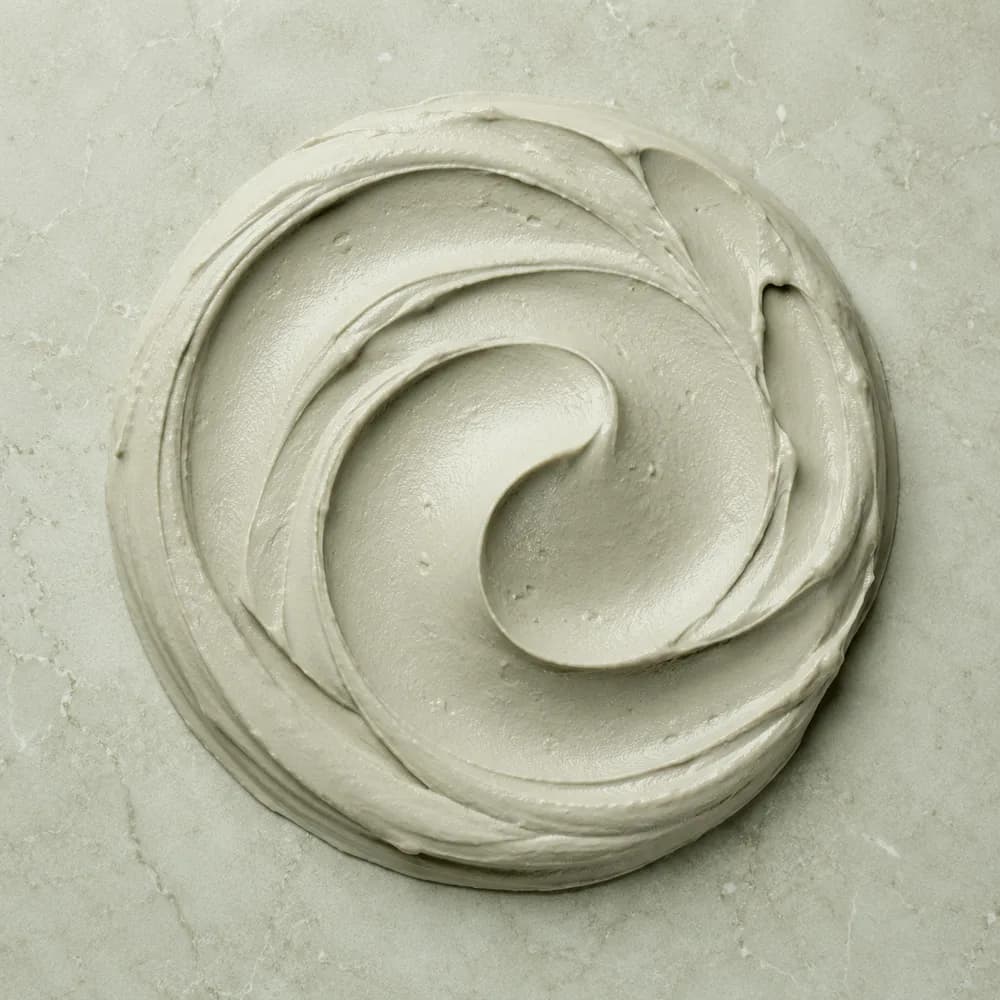 Modeling & Peel-Off MaskRubber modeling and film masks that peel off in one piece4 formulations
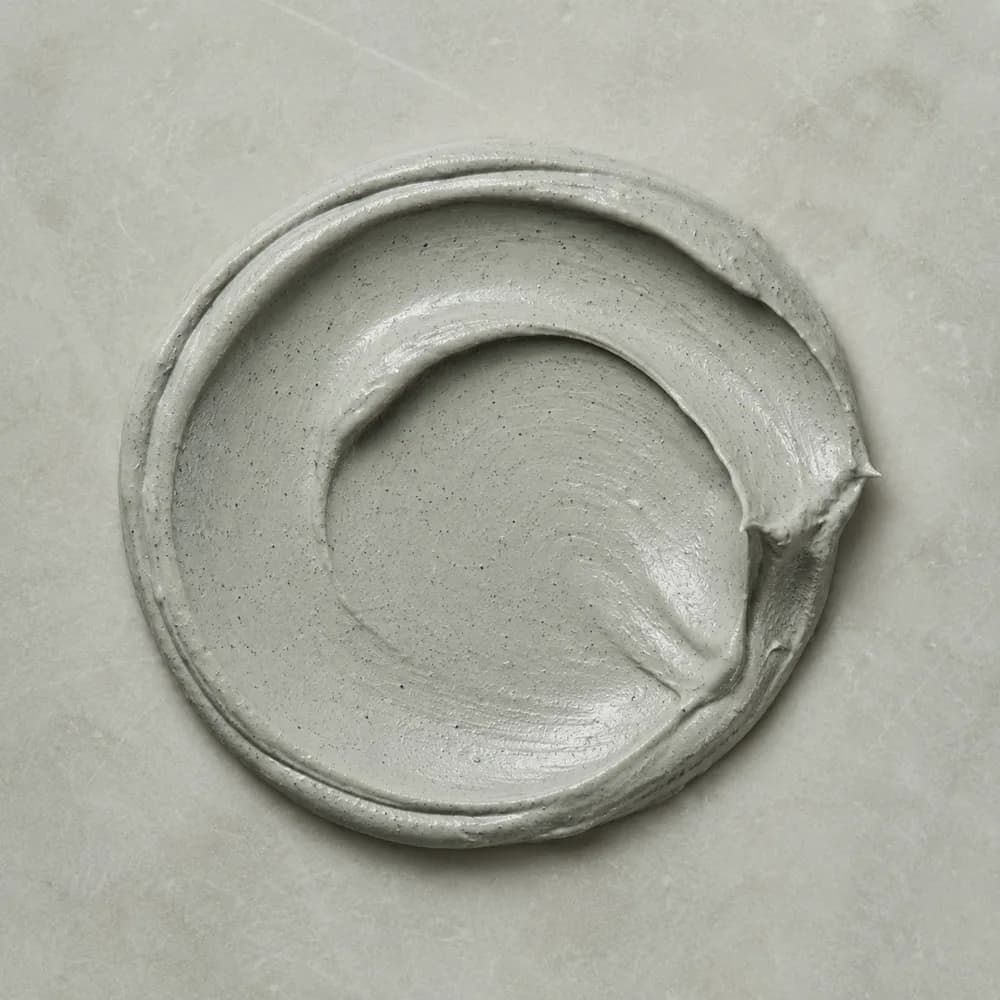 Wash-Off MaskClay, mud and cream packs rinsed after ten minutes5 formulations
Browse Related Categories
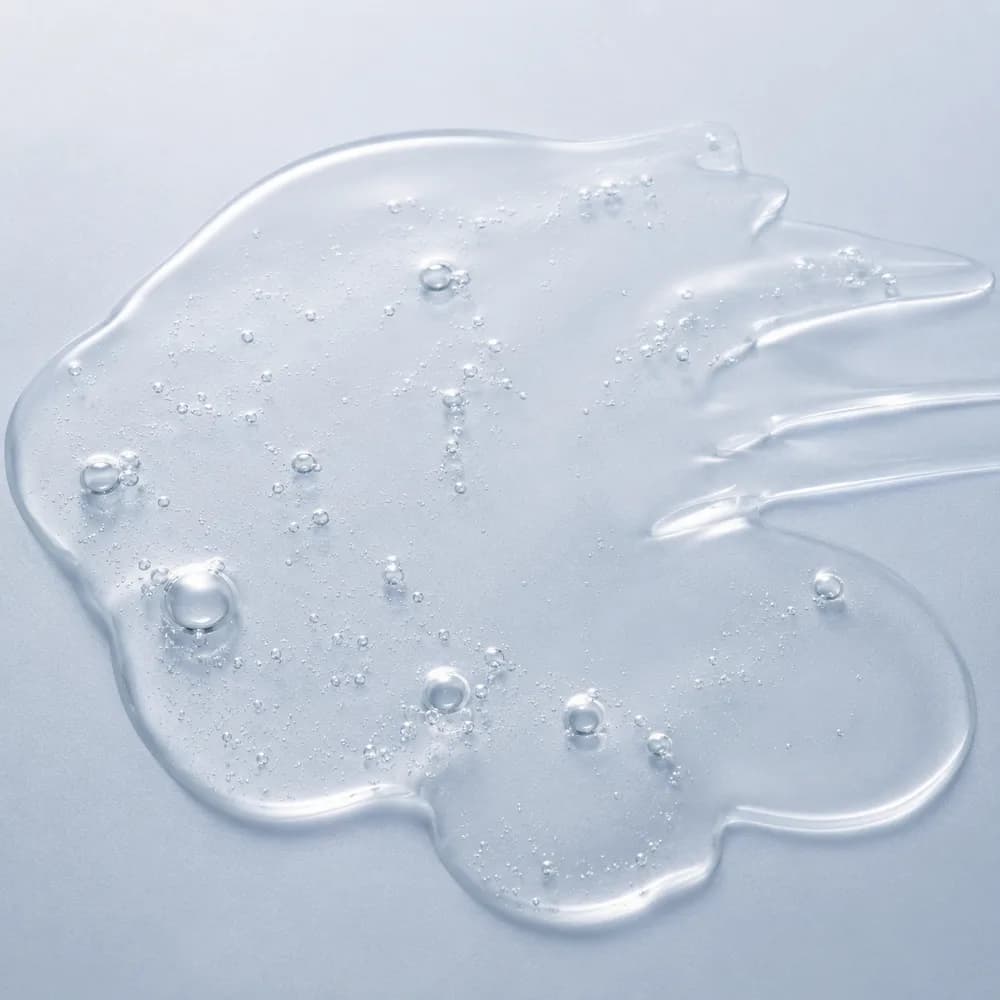
Serums & Ampoules
Concentrated treatments: the same active categories featured in sheet mask serums.
Explore category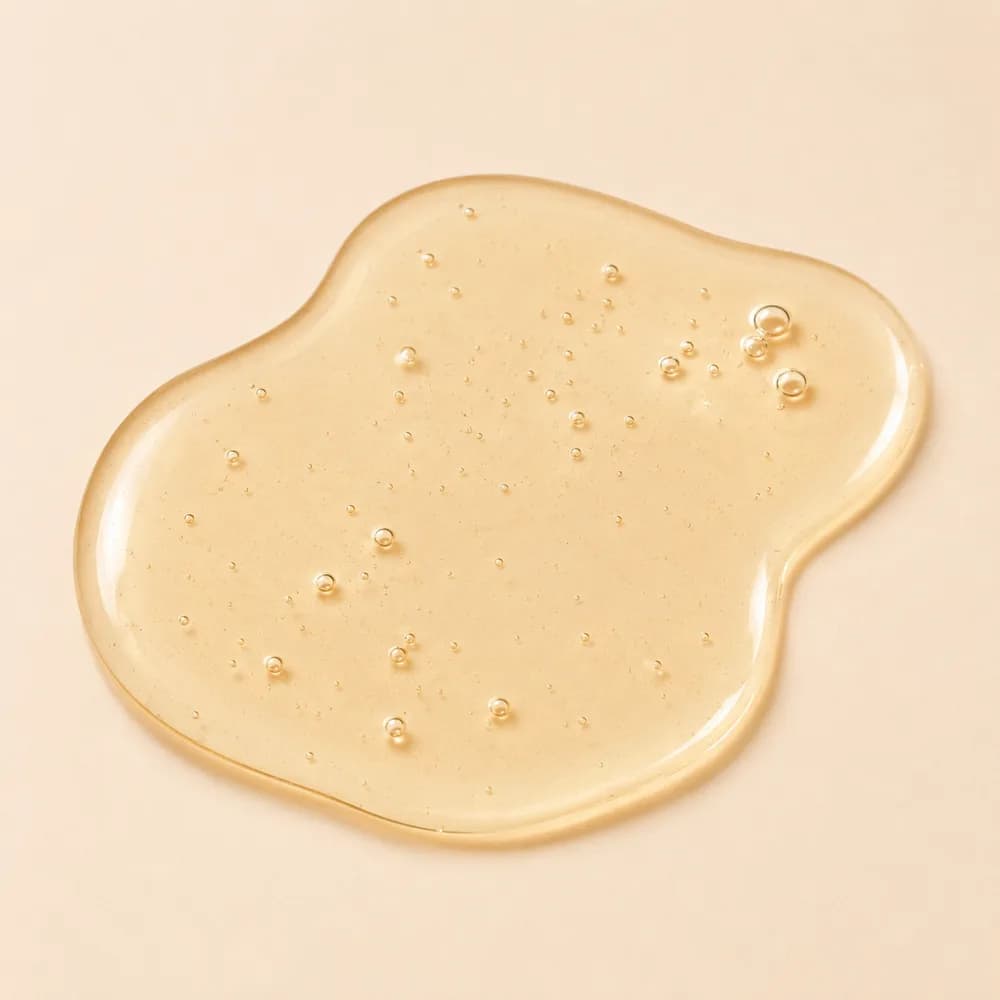
Essences
Lightweight active treatments; essences and sheet masks share formulation DNA.
Explore category
Moisturizers
Seal in sheet-mask serum benefits with a Korean moisturizer.
Explore categoryFrequently Asked Questions
What's the difference between cotton, hydrogel, and bio-cellulose sheet masks?
Cotton and non-woven fiber masks are the most widely produced format: lowest cost, good serum absorption, suitable for most market segments. Hydrogel is a Korean innovation where the gel structure maintains closer skin contact and delivers approximately 30% higher serum absorption than cotton, with a premium sensory experience. Bio-cellulose is bacterial cellulose grown through fermentation. It has the highest skin adherence of any substrate, forms a second-skin fit, and is positioned at the premium to ultra-premium tier. Each format supports distinct price positioning and brand storytelling.
Can I get a custom serum formulation in my sheet mask?
Yes. Korean sheet mask manufacturers offer both OEM (your formula) and ODM (the manufacturer develops the serum to your brief) models. Using an existing base serum is the simpler route (no new formula development). Custom serum formulation adds stability testing, an extra step on top of the standard 8–12 week lead time, but gives you a proprietary formula that can be trademarked and protected.
What's the minimum order for sheet masks?
Most Korean sheet mask manufacturers require 40,000–50,000 units minimum per SKU for standard cotton and fiber formats. Hydrogel and bio-cellulose formats involve more complex, specialized production, so their minimums are confirmed per project with the matched manufacturer.
What sustainable / biodegradable options exist?
Korean manufacturers are actively developing plant-based fiber substrates, wood-cellulose sheets, and compostable individual foil packaging alternatives. Biodegradable and eco-certified options are available but carry a price premium over standard cotton or hydrogel formats, reflecting higher raw material and certification costs. These options are increasingly relevant for brands targeting European and US sustainability-conscious consumers.
Ready to source from Korean sheet mask manufacturers?
Submit your RFQ and get matched with verified manufacturers.
Submit Your Sourcing Request