
Korean Moisturizer OEM Manufacturer: Private Label Creams & Gels Made in Korea
From gel-creams to barrier creams, sleeping masks to emulsions, Korean OEM manufacturers cover every moisturizer format with mature formulation and export infrastructure.
Submit Your Sourcing Request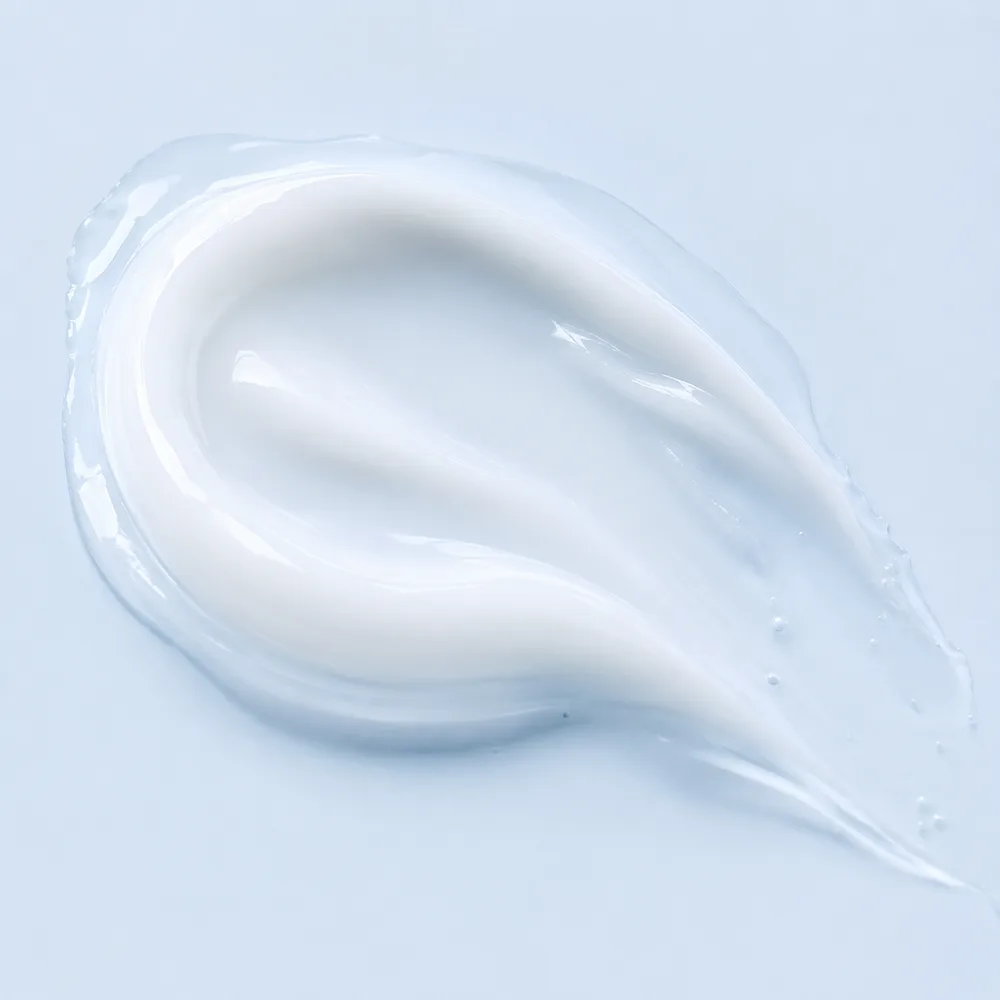
What is Korean Moisturizer OEM Manufacturing?
Moisturizers are the foundational skincare category, and Korean manufacturers have developed the most format-diverse moisturizer infrastructure in the world. Gel-creams, emulsions, sleeping masks, barrier creams, rich occlusive creams, water-based hydrogels: Korean OEM factories produce each format at scale, with refined supply chains for the specialty actives and textures that define each one.
In Korean manufacturing, OEM means you supply the formula and the factory produces it; ODM means the factory formulates collaboratively with you, typically adapting an existing proprietary base. Both routes are widely available for moisturizers.
The strongest Korean moisturizer categories for global private label are: gel-creams (lightweight, humid-climate friendly), barrier creams (ceramide- and cholesterol-rich, for sensitive and compromised skin), sleeping masks (overnight occlusive treatment, a uniquely K-beauty format), and cica/centella creams (calming, redness-focused; one of Korea's signature global exports).
Why Source This Product from Korea
- 1
Format Breadth Beyond Any Other Market
Korean manufacturers produce moisturizer formats that don't exist (or are rarely produced) in Western OEM networks: sleeping masks, gel-water hybrids, cushion creams, jelly moisturizers. This format diversity lets brands differentiate on product type alone, before even considering actives.
- 2
Barrier-Focused Formulation Expertise
Korean skincare's "skin barrier" focus has driven deep formulation investment in ceramide, cholesterol, and fatty acid complexes (the barrier's native components). Korean OEM manufacturers produce some of the most sophisticated barrier cream formulations available globally, at MOQs accessible to indie brands.
- 3
Centella and K-Botanical Supply Chain
Centella asiatica (CICA) creams became a global category largely through Korean OEM. The supply chain for centella extracts, heartleaf (houttuynia cordata), mugwort (artemisia), and green tea (all grown or extracted in Korea) is mature and accessible at a scale no other country can match.
Moisturizer types we source
A snapshot of the product types Korean manufacturers in our network produce in this category. Submit an RFQ for any of them, or describe your own.
- 01
Gel-Cream
Lightweight, fast-absorbing hydration for oily and combination skin.
- 02
Barrier Cream
Ceramide and lipid creams that rebuild the skin barrier.
- 03
Sleeping Mask
Overnight leave-on masks for deep moisture and repair.
- 04
Emulsion
Fluid lotions for layered, lightweight hydration.
- 05
Rich Cream
Occlusive, nourishing creams for dry and mature skin.
Cream formulation directions
The 8 directions Korean manufacturers in our network build cream products around. Pick one to see what it is, then request it or open the full formulation page.
Watery or gel cream
Bouncy gel that collapses into water on application. The format that made Korean moisturizers wearable in humid climates.
Typical Specifications & Ranges
- MOQ Range
- 3,000 units per SKU (private label); 3,000–5,000 units per SKU (custom ODM)
- Lead Time
- 8–12 weeks
- Certifications
- ISO 22716 / CGMP; FDA facility registration (MoCRA), EU CPNP support; vegan, cruelty-free, COSMOS-organic available
- Popular Formats
- Gel-cream, barrier cream, sleeping mask, emulsion, rich cream, jelly, cushion cream
- Packaging
- Jar, tube, airless pump, pump bottle, spatula-included jar
The Korean Moisturizer Manufacturing Advantage
Korean moisturizer formulation is shaped by a four-season climate (dry winters, humid summers) that demands diverse texture engineering, and by a domestic consumer market that expects actives performance even in basic moisturizers. That combination has produced the broadest, most format-diverse moisturizer manufacturing ecosystem in the world, accessible to international private-label buyers at MOQs starting from 3,000 units per SKU.
- Format breadth: gel-cream, barrier cream, sleeping mask, emulsion, rich cream, jelly, cushion
- Ceramide and barrier-complex formulation expertise
- K-botanical supply chain: centella, heartleaf, mugwort, green tea, propolis
- Texture engineering for humid vs. dry climate positioning
- Export documentation for US, EU, UK, Australia, Southeast Asia
Our Network
Verified Korean Moisturizer Manufacturers
All MFDS-registered, certified, and with verified export experience. Submit an RFQ to get matched with the right ones for your project.
Get Matched with ManufacturersFormulations we develop in this category
Each product type below lists the formulation directions available through our Korean manufacturer network, with packaging options and typical requirements.
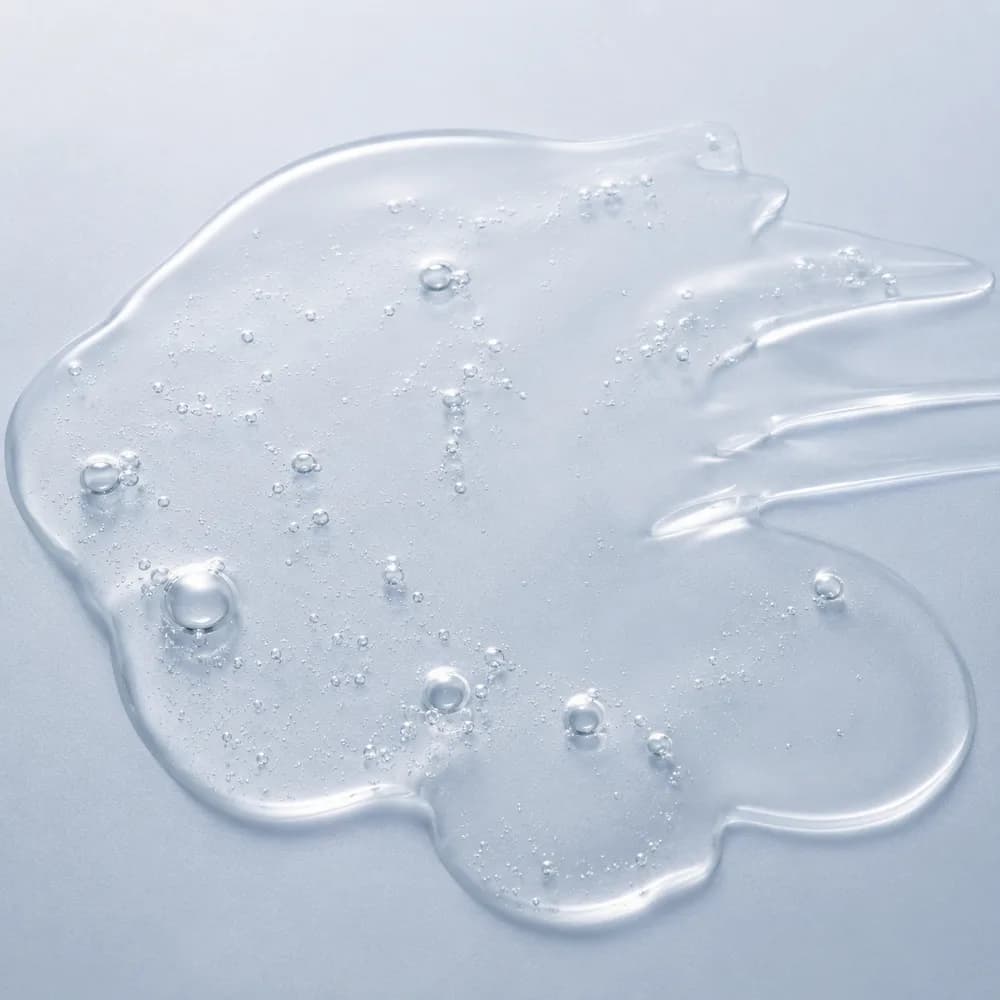
CreamThe moisturizer step, from watery gel to rich barrier repair8 formulations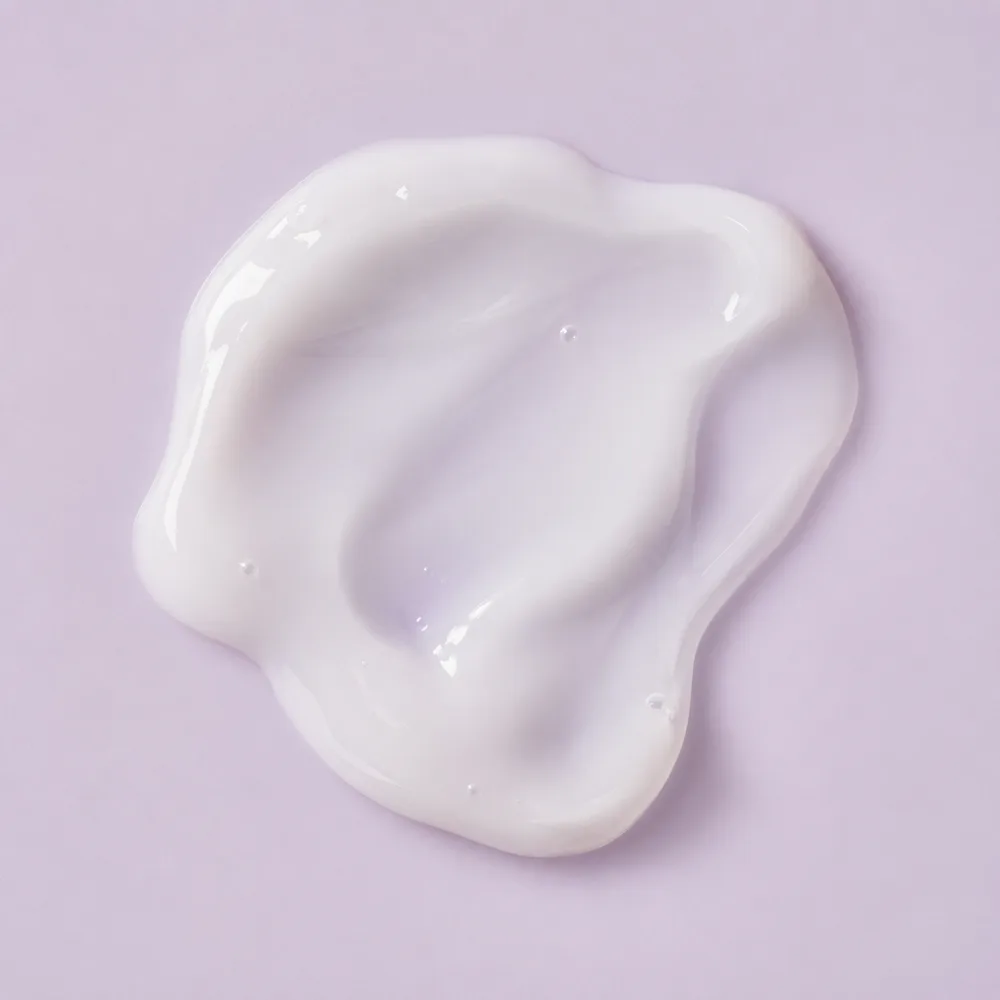 Cream MistEmulsion-in-mist that sprays moisturizer as a fine veil4 formulations
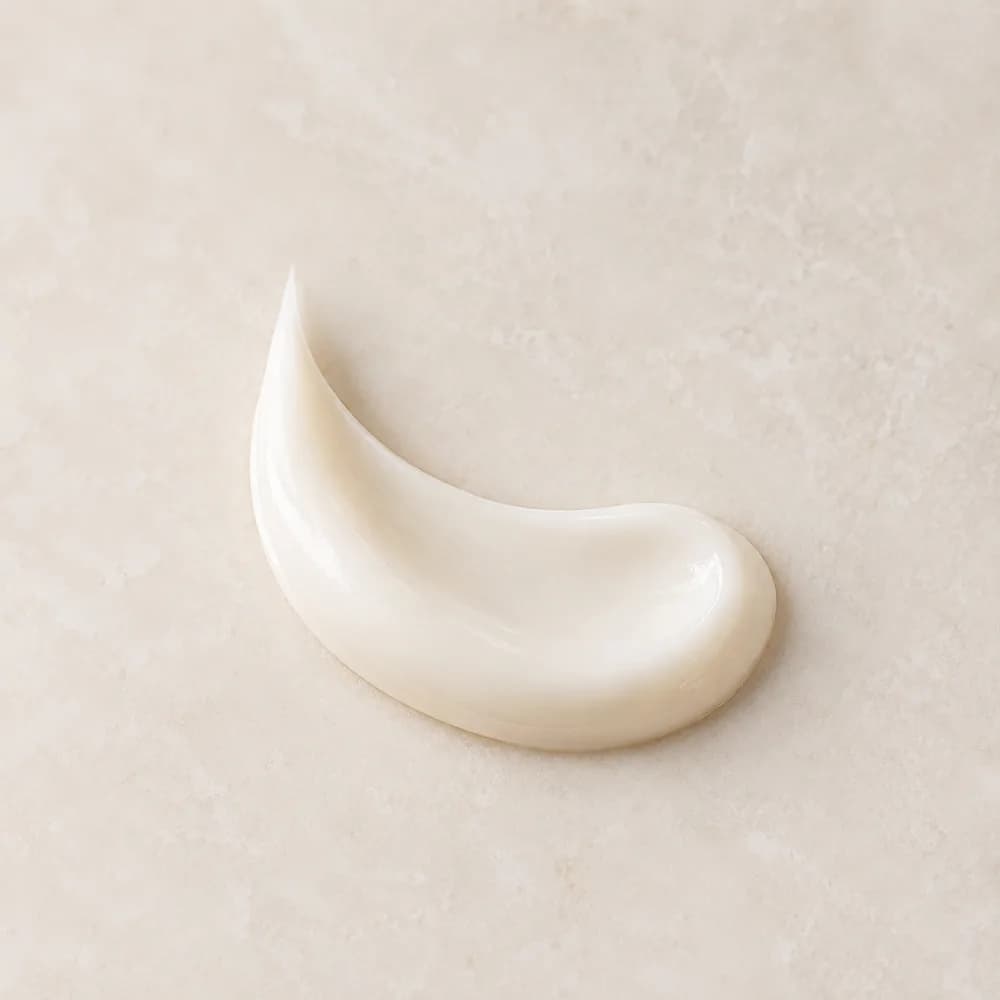
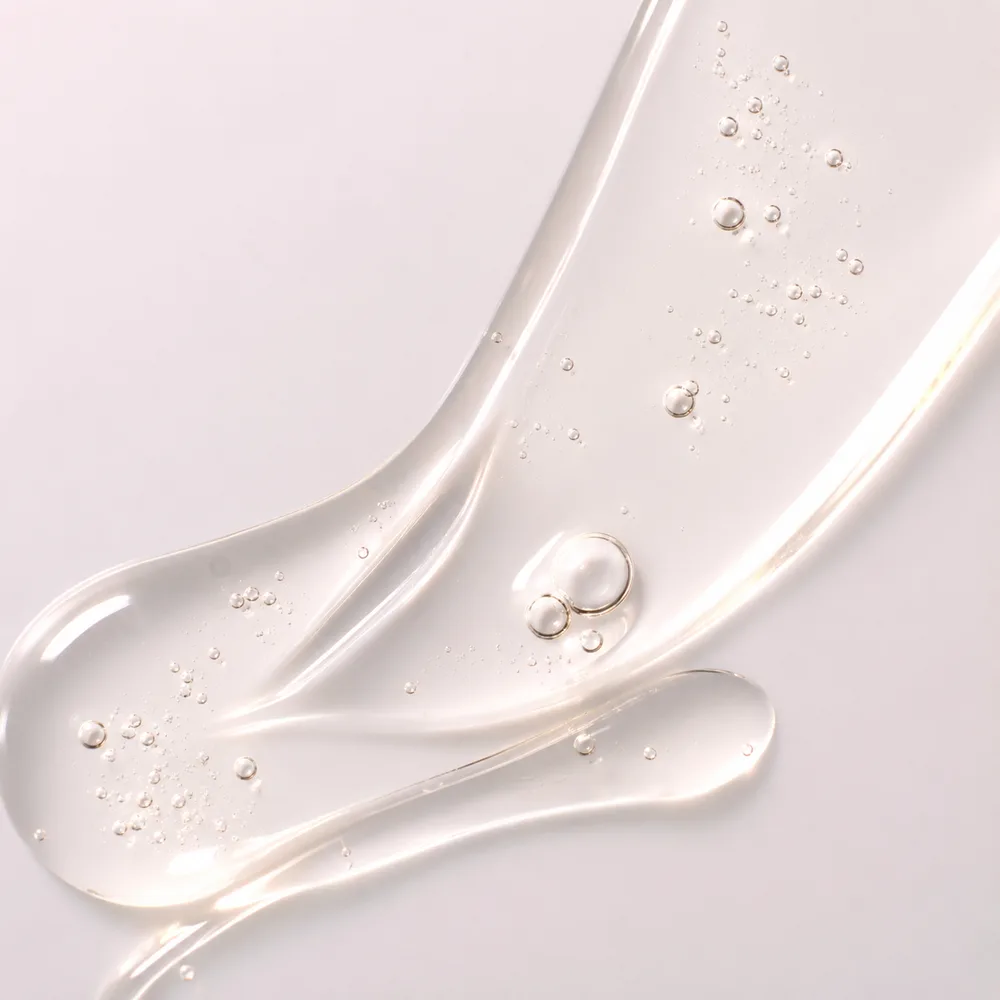 EmulsionLightweight milky moisturizer for the layering step5 formulations
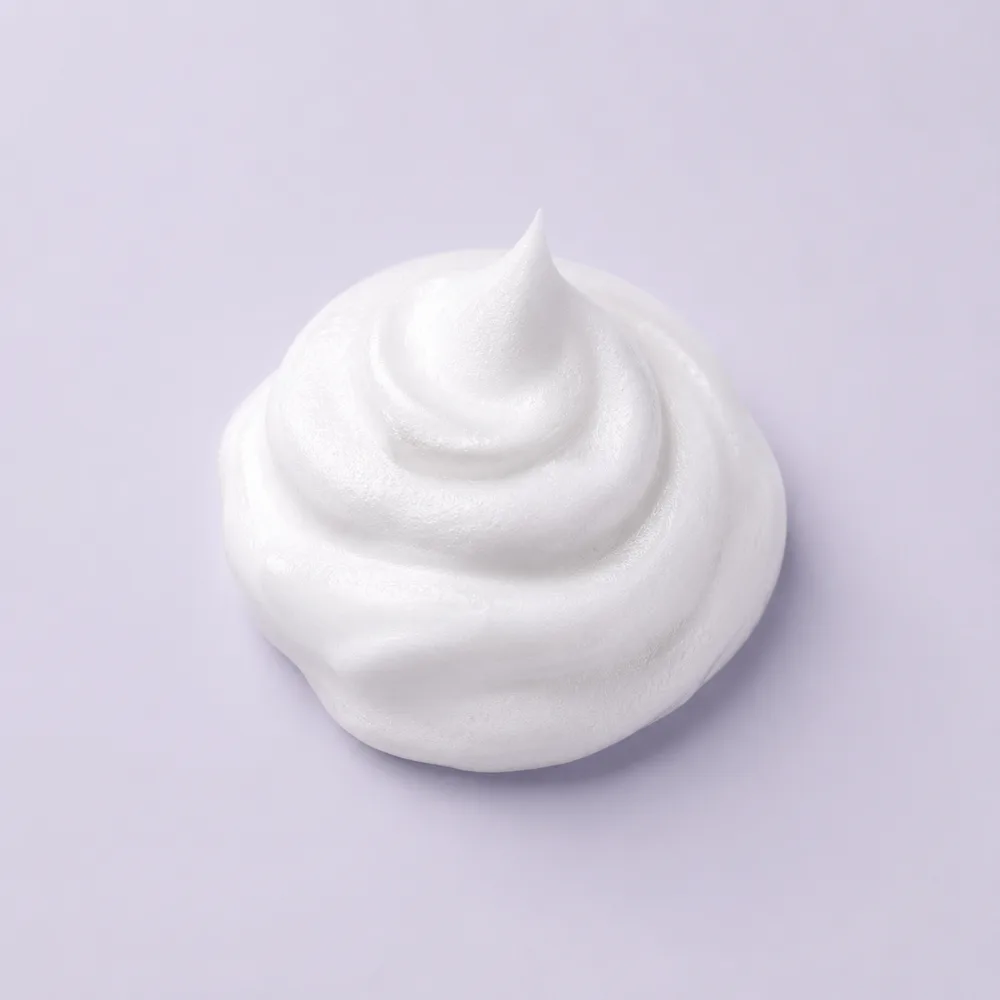
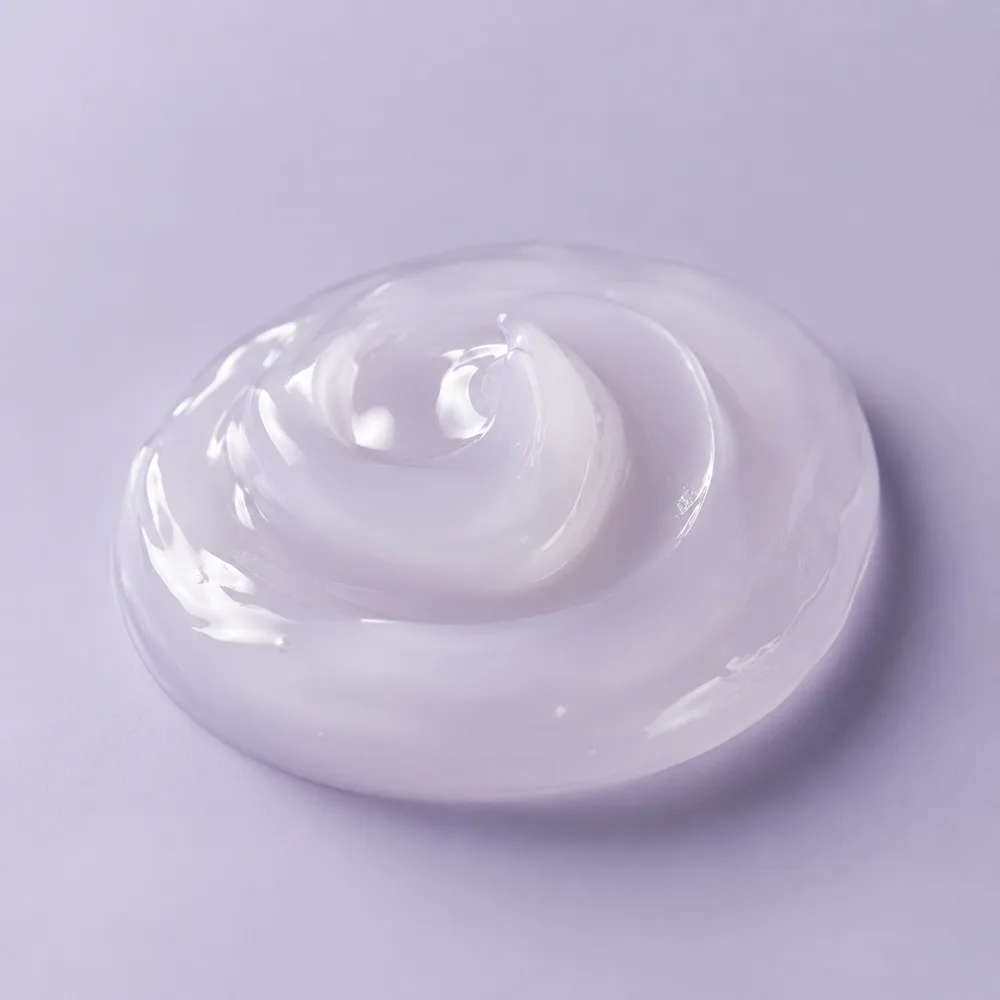 Sleeping MaskOvernight leave-on mask that seals the routine4 formulations
Browse Related Categories
Frequently Asked Questions
What's a sleeping mask and how does it differ from a regular cream?
A sleeping mask (sleeping pack) is an overnight occlusive moisturizer designed to be applied as the final skincare step before bed and rinsed off in the morning (or left on, depending on formula). Compared to regular night creams, sleeping masks typically have higher occlusive load, longer wear time, and are positioned as targeted overnight treatments rather than daily moisturizers. Sleeping masks are a uniquely K-beauty format and one of Korea's strongest export categories.
Can I source a barrier cream with ceramides in Korea?
Yes. Ceramide-complex barrier creams are a Korean formulation specialty. Korean OEM manufacturers routinely work with ceramide NP, ceramide AP, ceramide EOP, cholesterol, and fatty acid blends at clinically relevant concentrations. Supply chain for barrier-complex ingredients is well-developed. Most major Korean skincare OEMs have multiple barrier-cream base formulations available for private label.
What's the MOQ for a custom-formulated moisturizer?
Custom ODM moisturizer projects typically start at 3,000–5,000 units per SKU. The higher MOQ reflects formulation development and stability testing (an extra step on top of the standard 8–12 week lead time), raw material minimums for specialty actives, and production line setup costs. Brands looking for lower MOQs can choose from a manufacturer's existing base formulas and customize the label, fragrance, and packaging, starting from 3,000 units per SKU.
Are Korean moisturizers suitable for hot-climate export markets?
Yes. Korean manufacturers produce a wide range of moisturizer textures specifically optimized for humid, hot-climate markets (Southeast Asia, Middle East, Australia). Gel-creams, water gels, and lightweight emulsions are the most popular formats for these markets. Korean OEM factories familiar with Southeast Asian export routinely advise on texture selection and packaging (often airless pumps or tubes) suited to the target climate.
Ready to source from Korean moisturizer manufacturers?
Submit your RFQ and get matched with verified manufacturers.
Submit Your Sourcing Request