Skincare · Sun Care
Sun Stick
A solid SPF balm that reapplies without hands, mirrors or mess. It is the fastest-growing sun format in Korea because it fits outdoor and commuting life, and being anhydrous it needs minimal preservative and survives a hot bag better than a lotion.
Production terms are confirmed directly with the matched manufacturer.
Available directions
Formulation directions this product type can be developed in. Pick one during your request, or ask us to advise during matching.
Transparent
Clear glide with no cast, the most requested direction for reapplication over makeup.
Tone-up
Light-diffusing pigments for an instant brightening finish.
Moisturizing
Higher emollient load for dry skin and cold-weather outdoor use.
Matte
Sebum-absorbing powders for oily skin and hot climates.
Water-resistant
Film-forming systems validated for swimming and sport claims.
Key ingredient options
UV filter system
Carried in an anhydrous wax base, which changes filter selection versus an emulsion.
Squalane
Keeps the stick gliding smoothly rather than dragging on the skin.
Centella asiatica
Calms skin during repeated daily reapplication.
What makes it work
- Anhydrous, so the formula needs little preservative and travels well in hot conditions.
- The fastest-growing sun format in Korea, driven by outdoor and sport use.
- Heat stability must be specified for the destination climate, since sticks soften in transit.
- Sunscreen availability, testing and target-market compliance require separate manufacturer confirmation. US sunscreen must be reviewed as an OTC project.
Texture & format
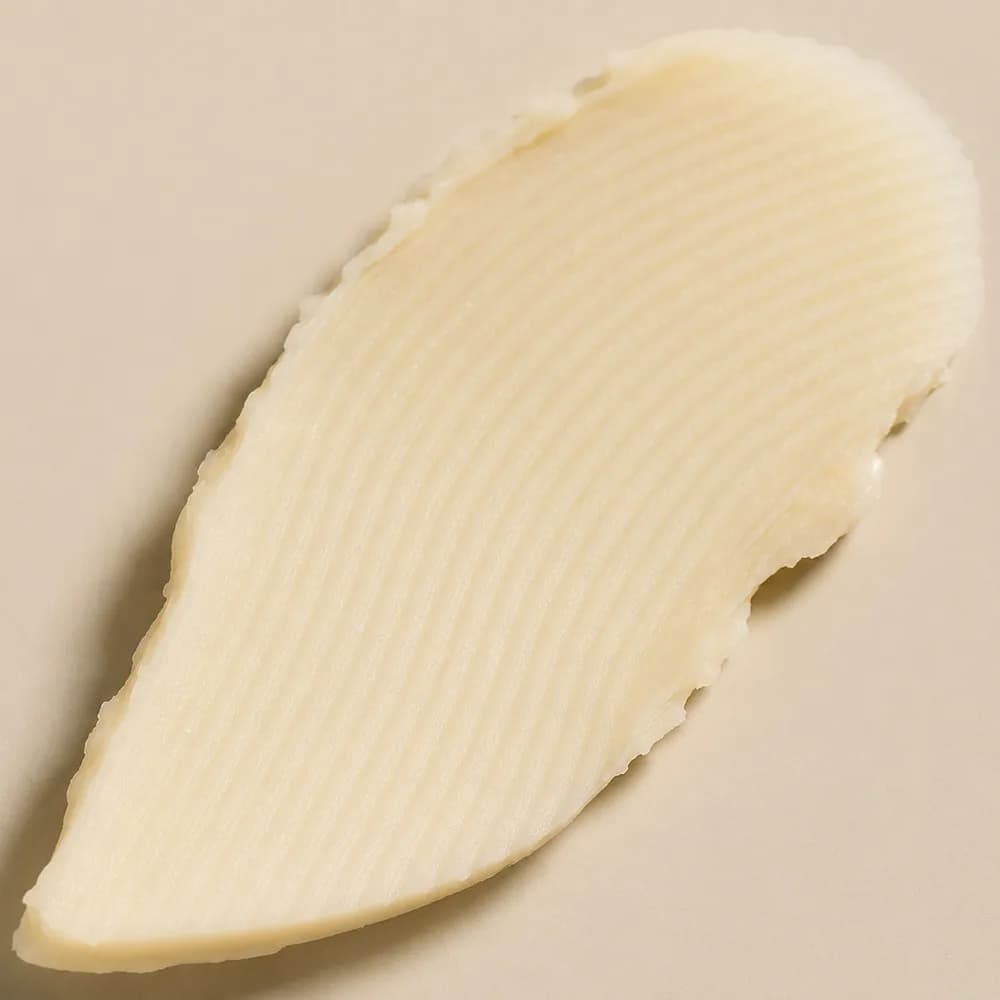
Solid balm in a twist-up stick that glides on clear or tinted, reaching SPF 50+.
Frequently asked
Why are sun sticks so popular in Korea?
Reapplication without hands or mirrors. They suit outdoor sport, golf and commuting, and the solid format avoids the spill and leak problems of liquids in a bag.
Does heat affect sun sticks in shipping?
It can. The wax base softens above certain temperatures, so heat stability should be specified against the shipping route and destination climate, particularly for summer sea freight.