Makeup · Lip Makeup
Lip Tint
The defining product of Korean colour cosmetics. The gradient-lip look, the water-glow finishes and stain-level wear all originated in Korean labs, which makes the lip tint the highest-credibility entry product for a colour brand.
Production terms are confirmed directly with the matched manufacturer.
Available directions
Formulation directions this product type can be developed in. Pick one during your request, or ask us to advise during matching.
Water tint
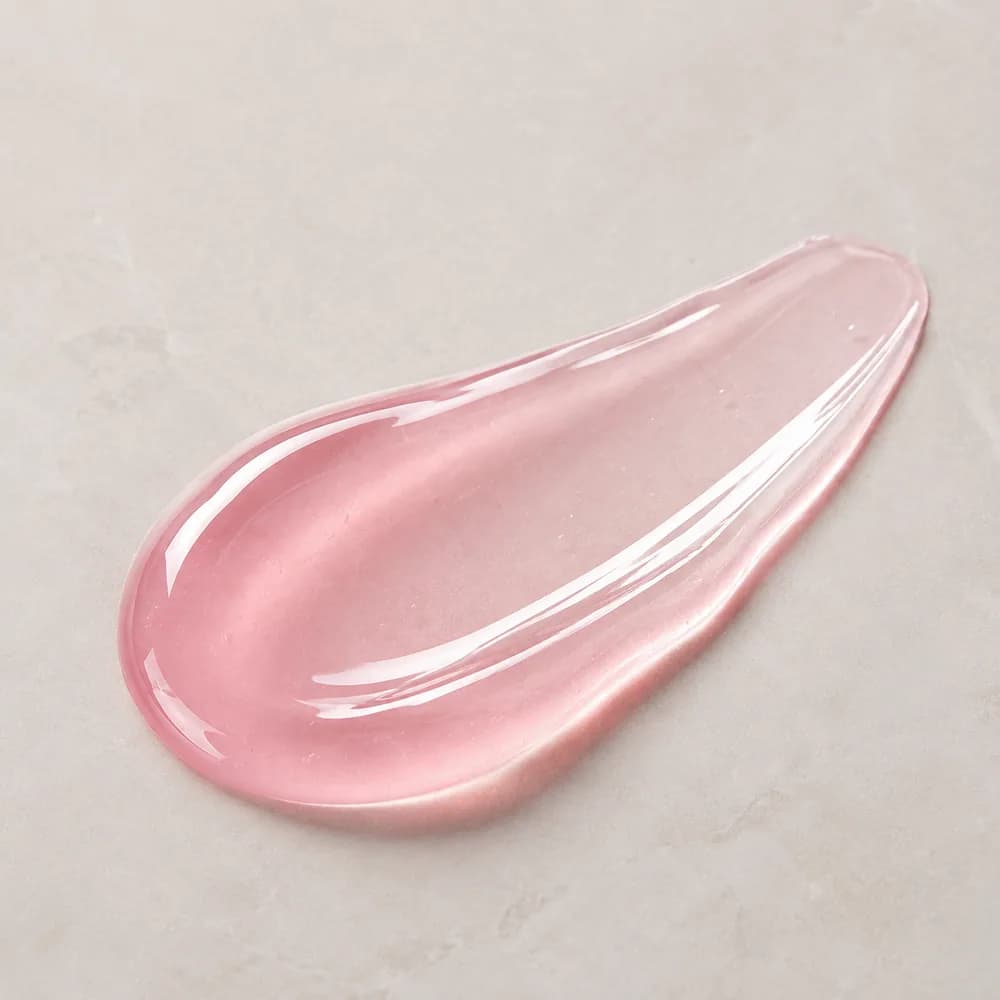
Glassy watery stain, the original Korean tint format.
Velvet tint
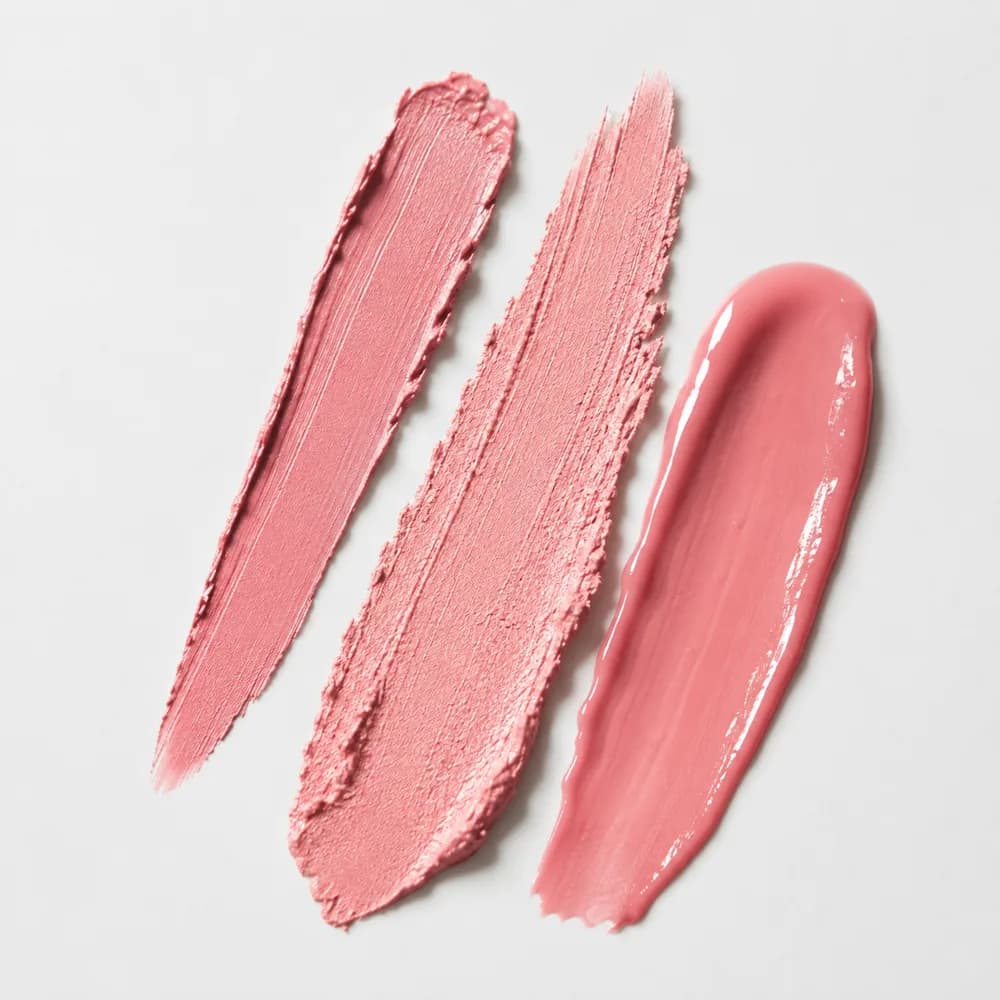
Soft matte finish with stain-level wear underneath.
Stain
Maximum longevity with minimal texture, surviving eating and drinking.
Glossy tint
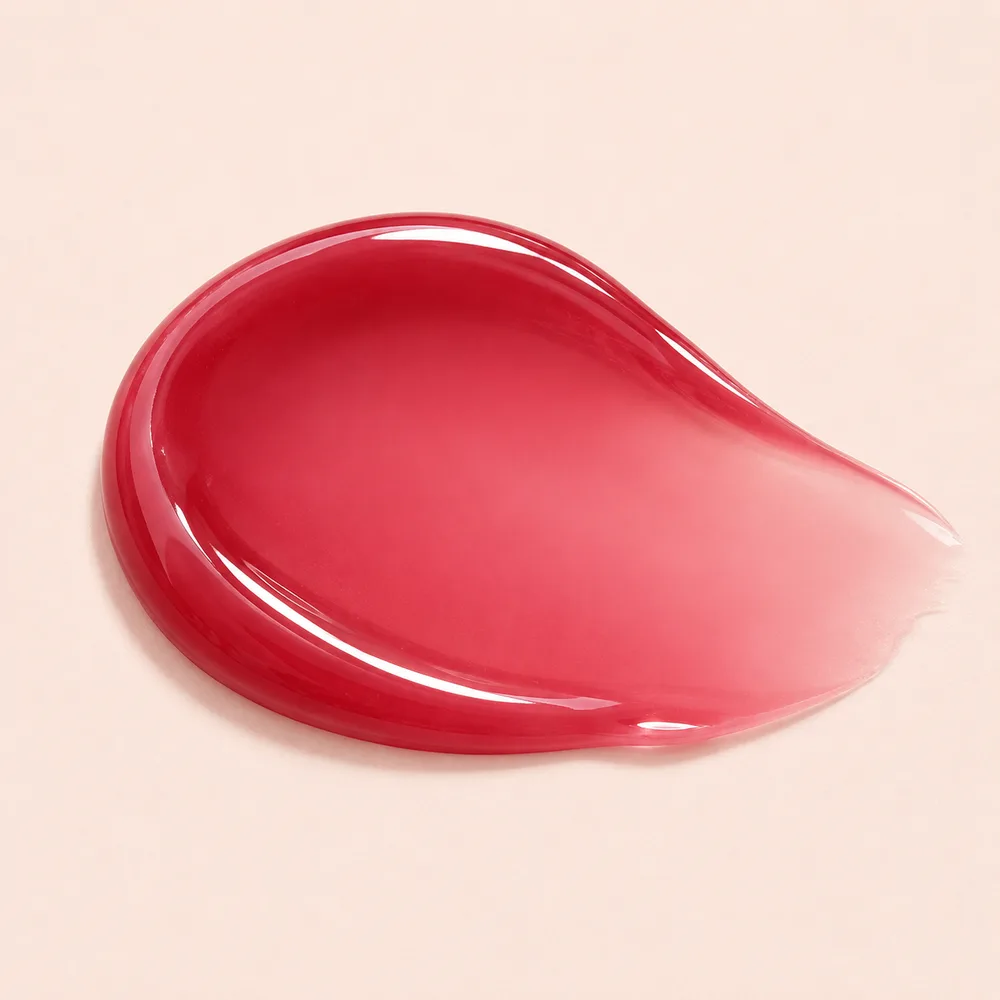
Cushioned shine over a colour base, the current trend direction.
Lip-and-cheek
Dual-use formula safe on both, which raises perceived value.
Key ingredient options
Long-wear dye system
Stains the lip surface so colour survives eating, drinking and mask wear.
Jojoba oil
Keeps the stain comfortable and prevents a tight dry-down.
Hyaluronic acid
Adds a hydrating claim to balance the long-wear story.
What makes it work
- Korean tints defined the modern category. Water, glow and velvet finishes with stain-level wear all started here.
- Vegan and cruelty-free dye systems are available for clean-colour positioning.
- Minis and trial sizes are standard tooling, useful for discovery sets and social commerce.
- Shade development runs in-house at Korean color factories. Colour products are quoted per shade, so shade count drives total production volume more than in skincare.
Texture & format
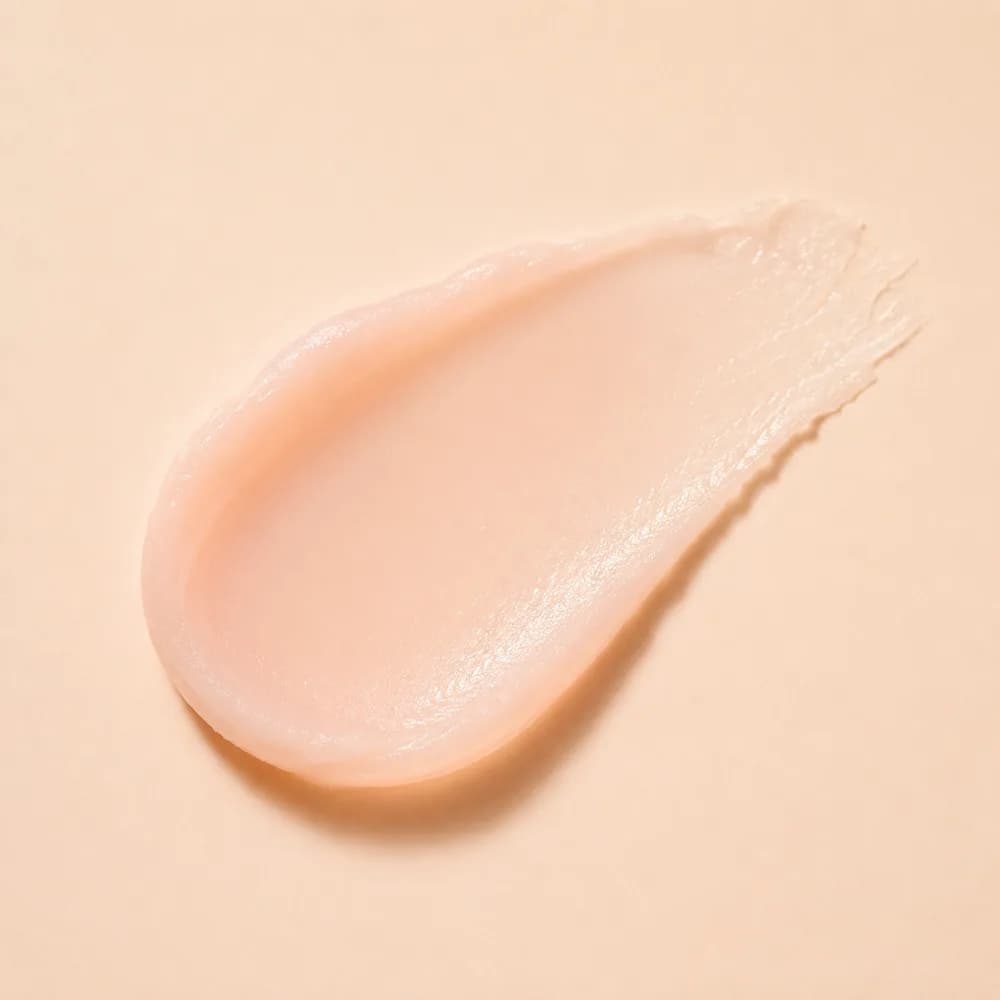
Liquid tint with a doe-foot applicator, engineered for stain-level wear in water, velvet or glossy finishes.
Frequently asked
How does shade development work with a Korean manufacturer?
You provide reference shades or a brief, and the factory's colour lab develops lab-dips for approval in iterations. A first launch typically runs 5 to 8 shades on one base.
What finishes can Korean lip tint factories produce?
Water tint, velvet tint and glossy tint are the standard families, and all three can run from one production line with different bases.