Body & Hair · Hair & Scalp Care
Conditioner
The other half of the pair consumers always buy together. Developing it alongside the shampoo keeps fragrance and certification aligned, which matters more than most brands expect when the two products sit side by side in a shower.
Production terms are confirmed directly with the matched manufacturer.
Available directions
Formulation directions this product type can be developed in. Pick one during your request, or ask us to advise during matching.
Silky finish
Cationic conditioning for immediate slip and detangling.
Vegan
Plant proteins replacing animal keratin, certification-ready.
Lightweight
Low-build formula for fine hair that flattens easily.
Nourishing
Higher lipid load for thick, curly and very dry hair.
Damage care
Protein and ceramide systems for bleached and heat-damaged hair.
Key ingredient options
Hydrolyzed plant protein
Fills cuticle gaps much as animal keratin does, enabling a vegan claim.
Panthenol
Penetrates the hair shaft for lasting softness rather than surface coating.
Argan oil
Seals the cuticle and delivers the shine consumers judge conditioning by.
What makes it work
- Consumers buy haircare in pairs, so develop this alongside the shampoo with matched fragrance.
- Silicone-free versions serve clean positioning, though slip and shine change noticeably.
- Single-use sachets work for sampling and hotel amenity channels.
Texture & format
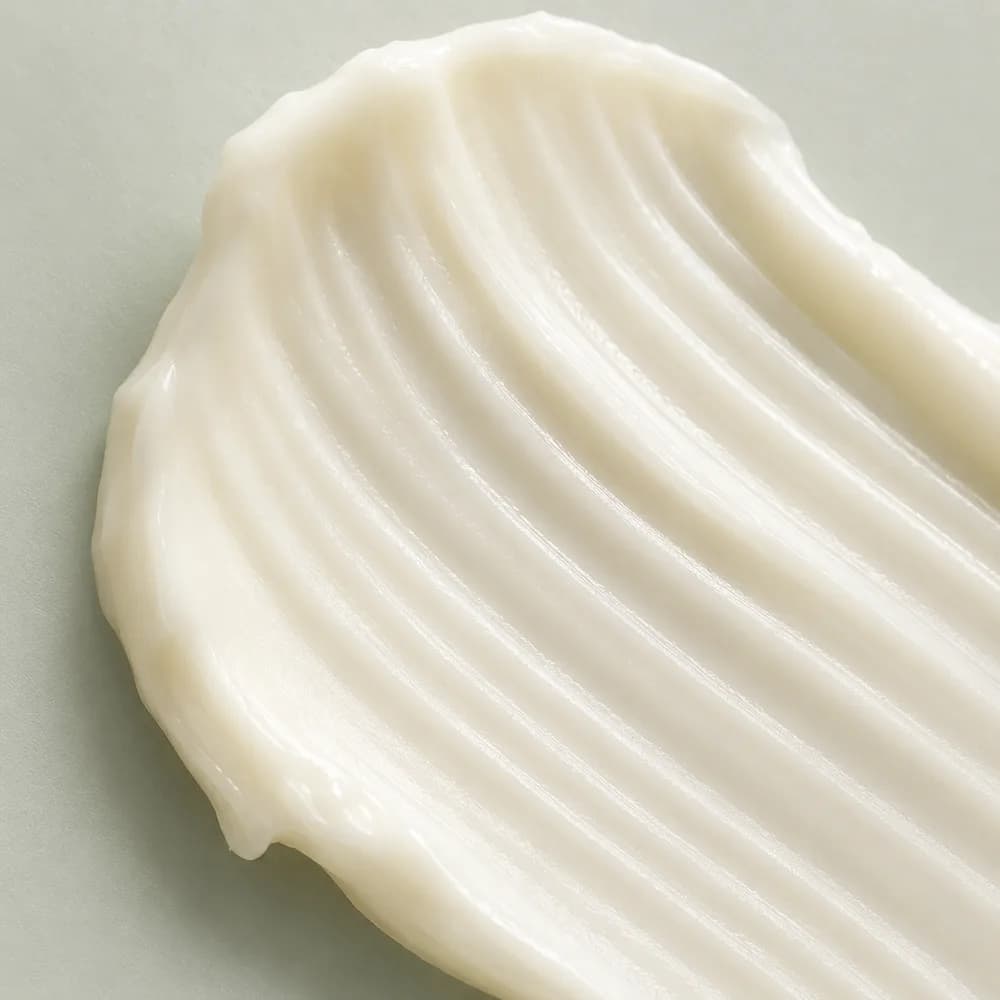
Rinse-out cream applied to lengths and ends, tuned from lightweight to intensely nourishing.
Frequently asked
Should shampoo and conditioner be developed together?
Almost always. Consumers buy haircare in pairs, and developing both with one manufacturer keeps fragrance, positioning and certification documentation consistent.
Are silicone-free conditioners as effective?
For conditioning and softness yes. For immediate slip and mirror shine, silicones still outperform, so a silicone-free version should be described honestly.